Social Heads
The Company
My Approach
I used the double diamond approach to break down the problem-solving-
Discover, Define, Develop, Deliver
Discover
Stake Holder Interview
2
I interviewed youth workers and school counsellors, and found insights from an NTIA article highlighting the need for safer, private online spaces that prioritise young people’s well-being.
SUPPORT YOUNG PEOPLE
with an app that feels safe, welcoming, and personal.
My Findings
Secure yet flexible digital communication tools
Simplified case management and tracking system for high caseloads
Messaging infrastructure with clear professional boundaries
Digital content/tools to support social workers and young people
Structures and support networks that ensure professional safety

Persona
NAME - Katie
JOB - Social worker
AGE - 30
LOCATION - Hackney
BEHAVIOURS :
Katie responds to young people with empathy, even outside office hours, while carefully maintaining professional boundaries. She avoids informal tools and prioritises structured, secure follow-up during work time.
The company supports professionals and young people (ages 10–25) in care, education, and mental health settings. They focus on building safe, supportive relationships, especially for those in vulnerable or high-risk situations.
My Role
PROJECT: Social Heads
TIMELINE: 2-week design sprint
TEAM: Began as a team of four designers; transitioned to a solo project after the research phase
MY ROLE: Research Lead & Solo Designer
RESPONSIBILITIES:
• Led user research, user interviews, and affinity map (team phase)
• Solo design: User flows, wireframes, Low-High Fidelity, prototyping, final UI
• Presented independent design solution to client
TEAM CONTRIBUTIONS (Research Stage)
Stakeholder interviews
User interviews
Affinity mapping
Personas & problem statements
Early research/Competitors
TOOLS: Figma, FigJam, ChatGPT, Google Forms, Google Slides, Pen & Paper
CLIENT: Client project through Experience Haus bootcamp

The Design Challenge
Most messaging tools aren’t built for sensitive, youth-focused communication. They often lack safeguarding features, feel impersonal, and leave young people without a safe space and professionals without secure tools.
To create manageable case management and easy communication with young people.
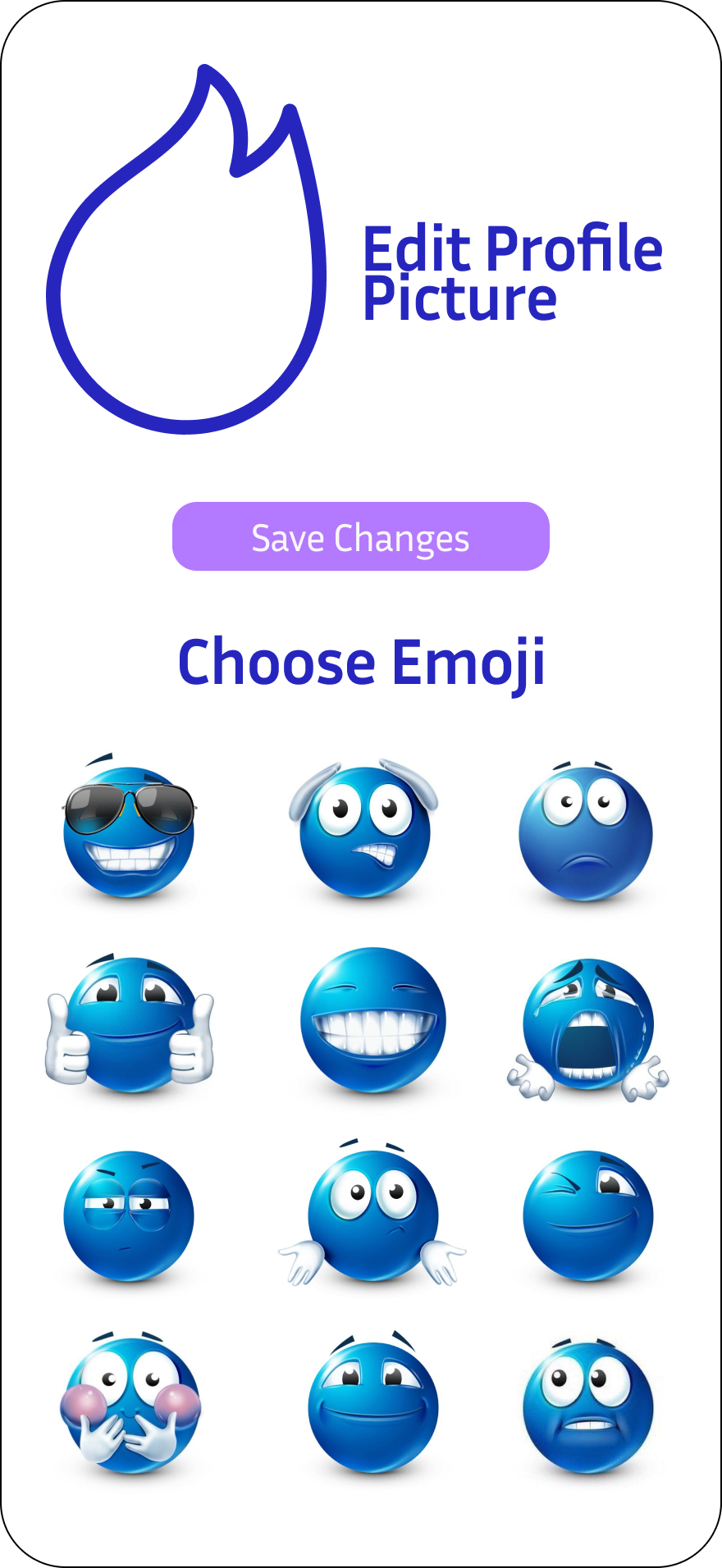
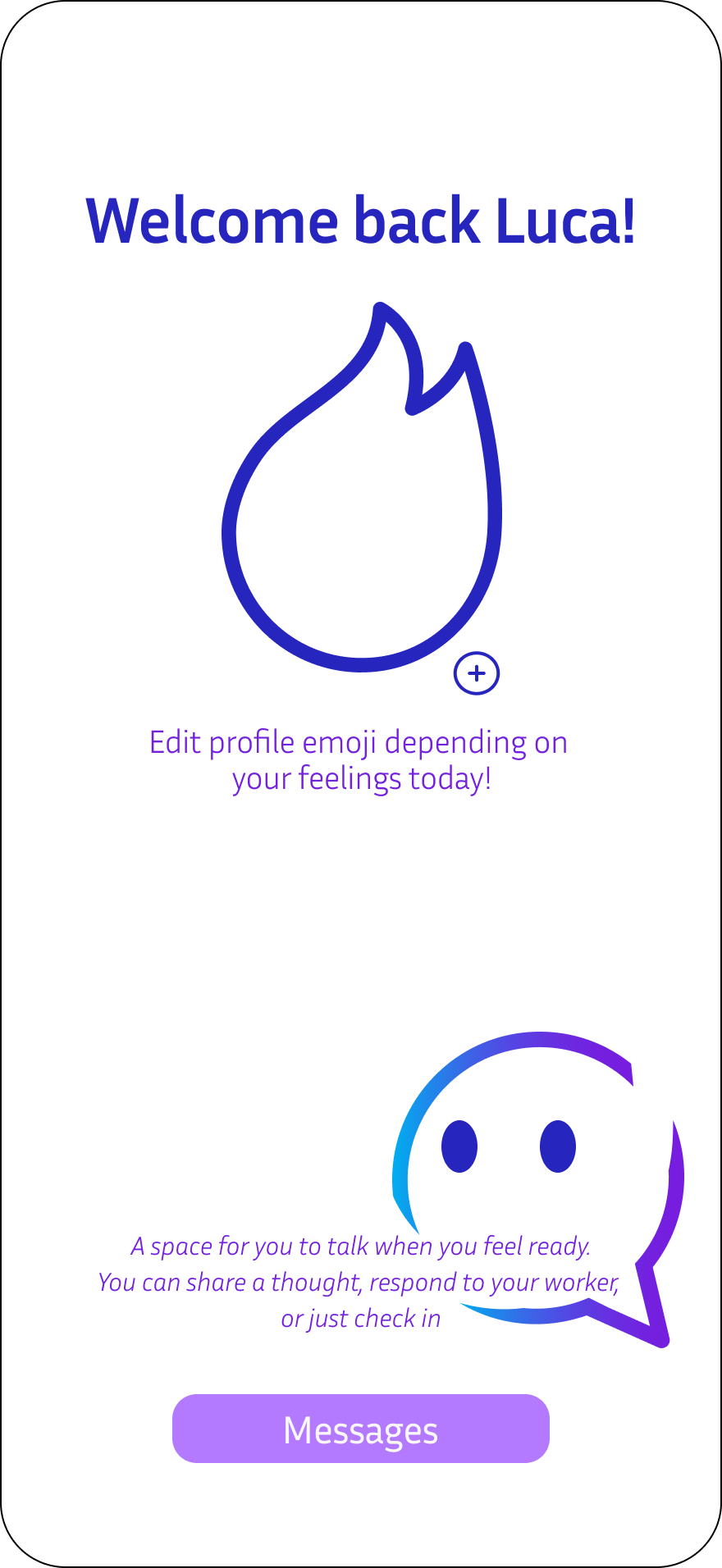
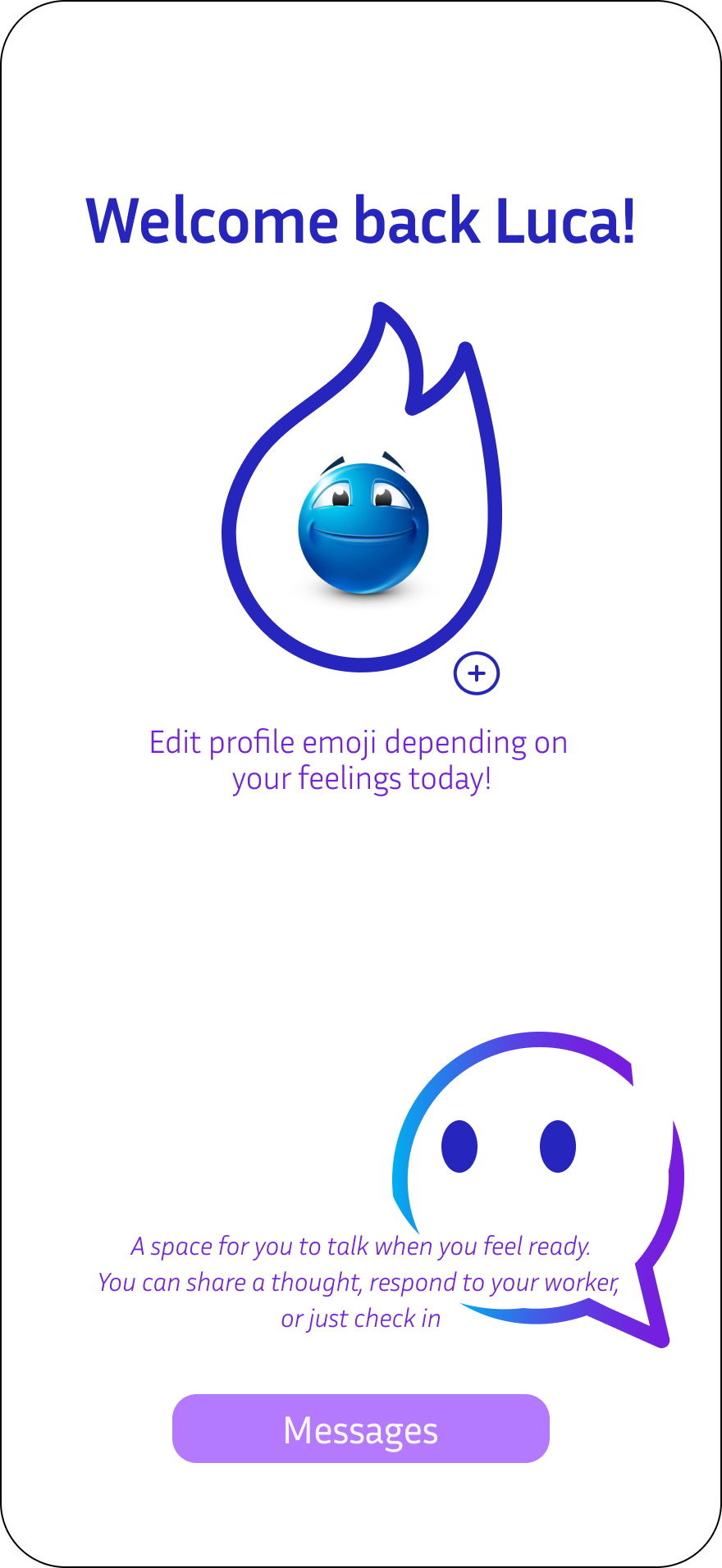
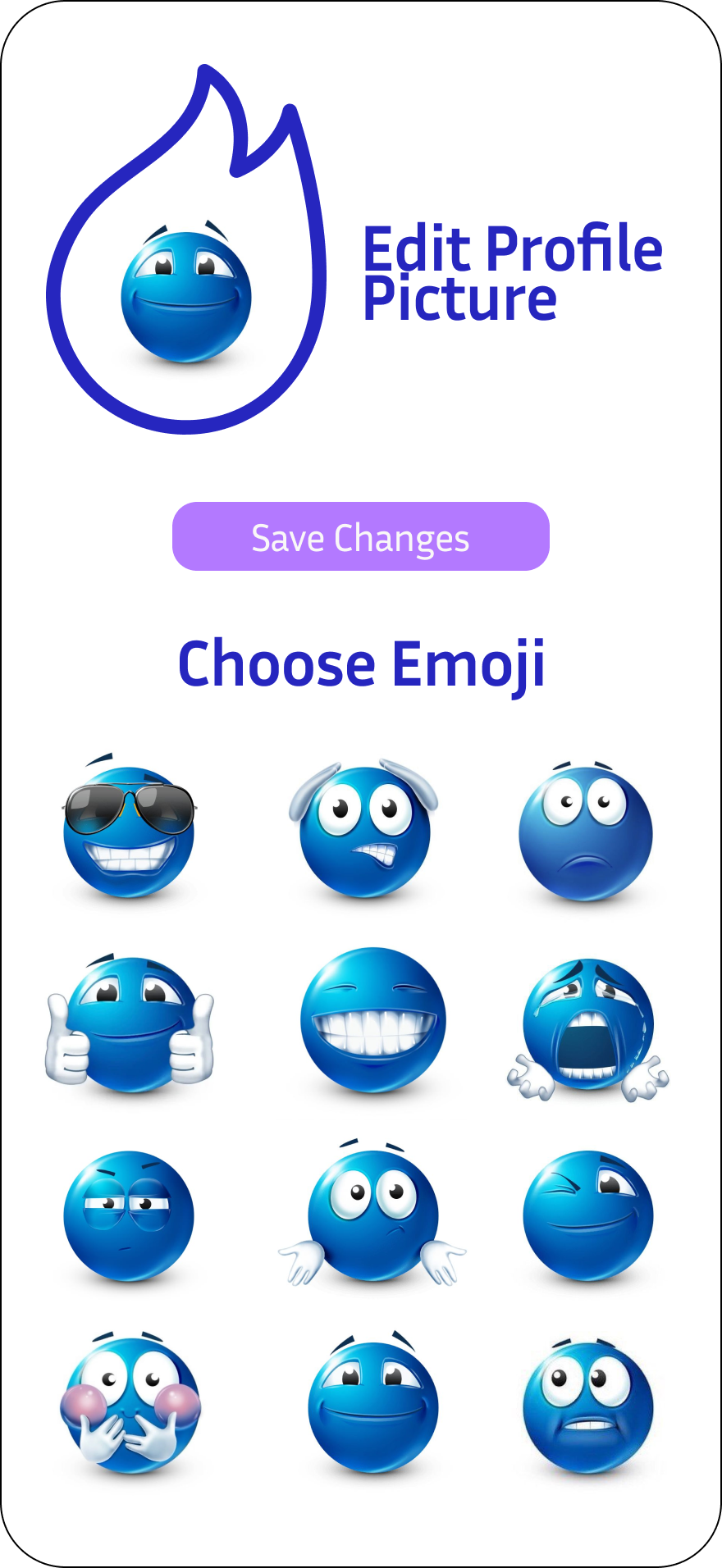
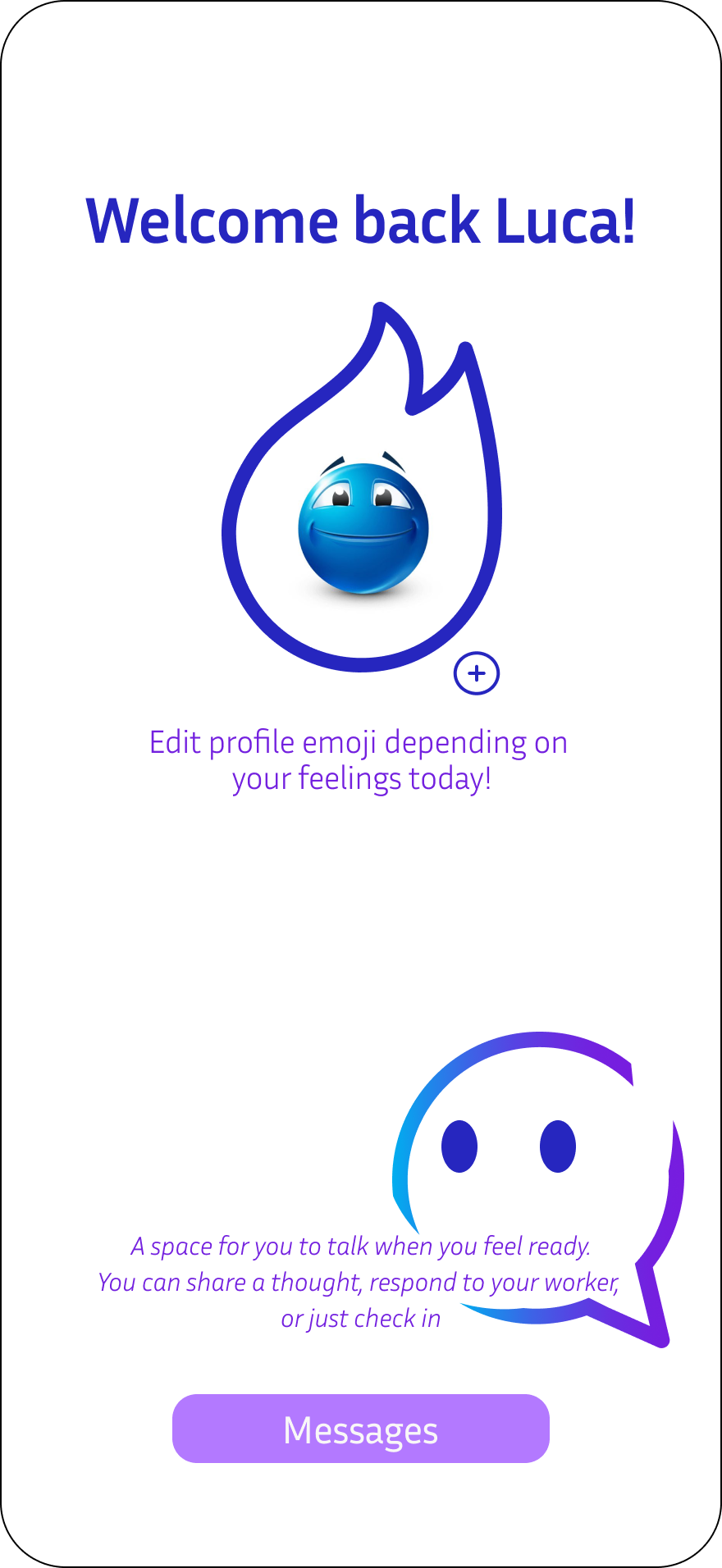
A space for young people to express their emotions using emojis as their profile picture.
Enable social workers to log session notes and track progress to ensure everything is clearly recorded.
1
EMPOWER PROFESSIONALS
with tools that support rather than overwhelm them.

User research, User interviews
GOALS & MOTIVATIONS:
Provide timely support outside office hours without compromising personal time
Connect with young people through channels they actually use
Offer flexible, personalised support with empathy, clarity, and transparency
How Might We?
Deliver
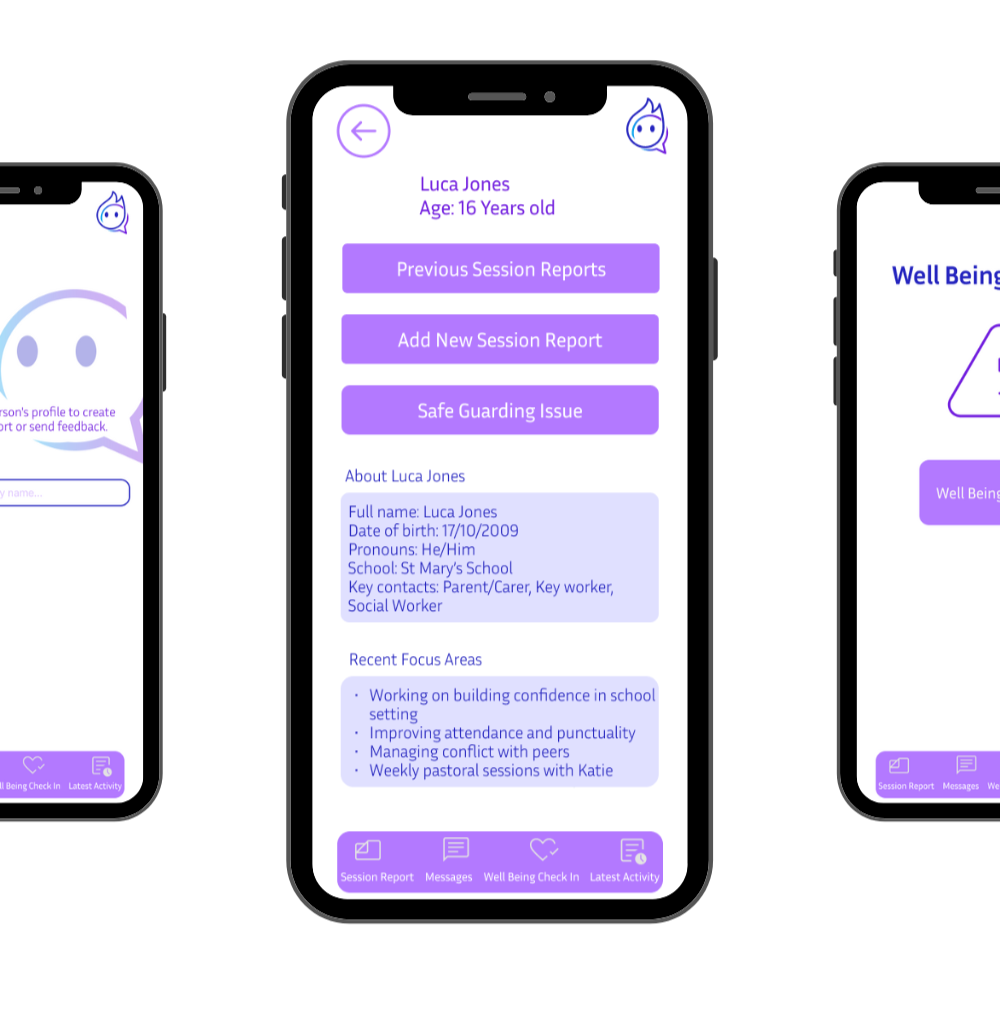
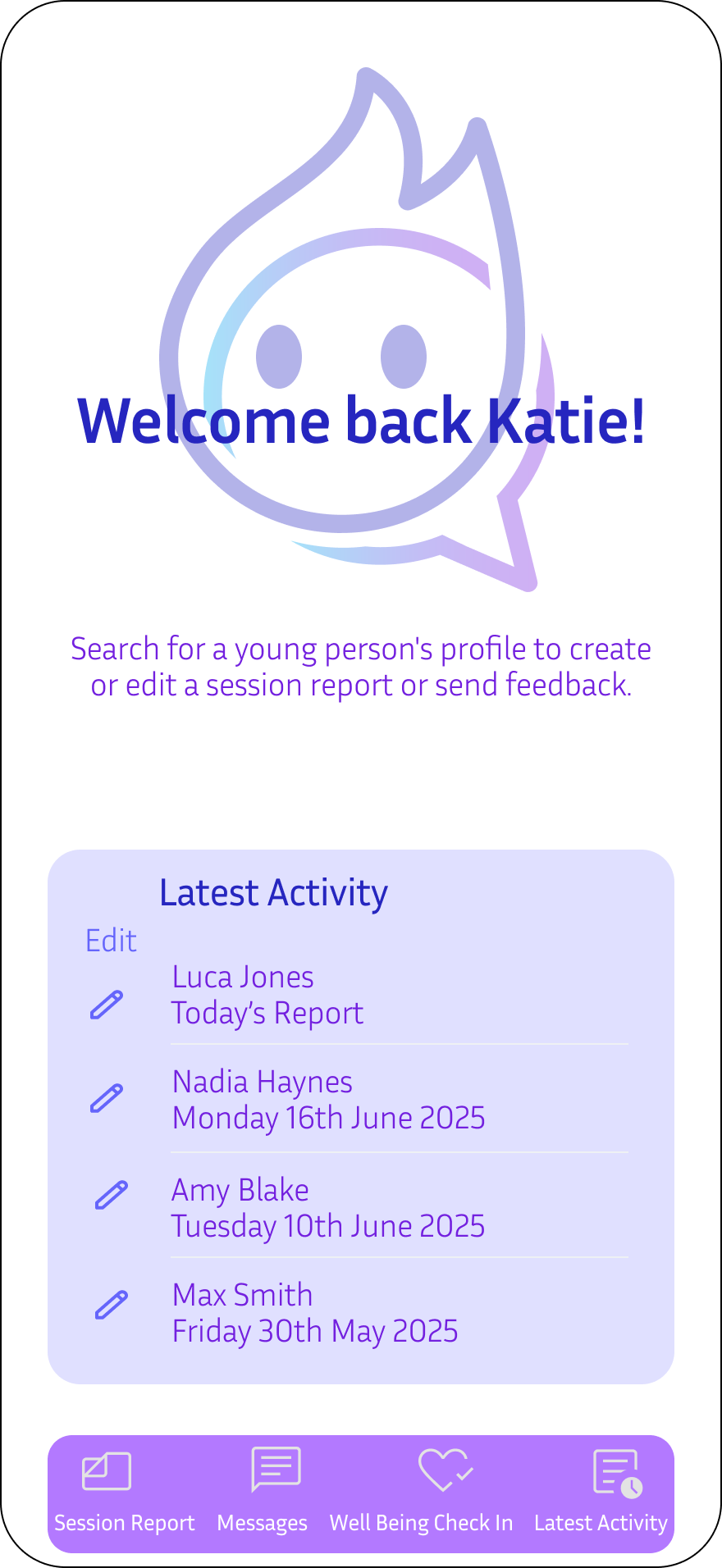
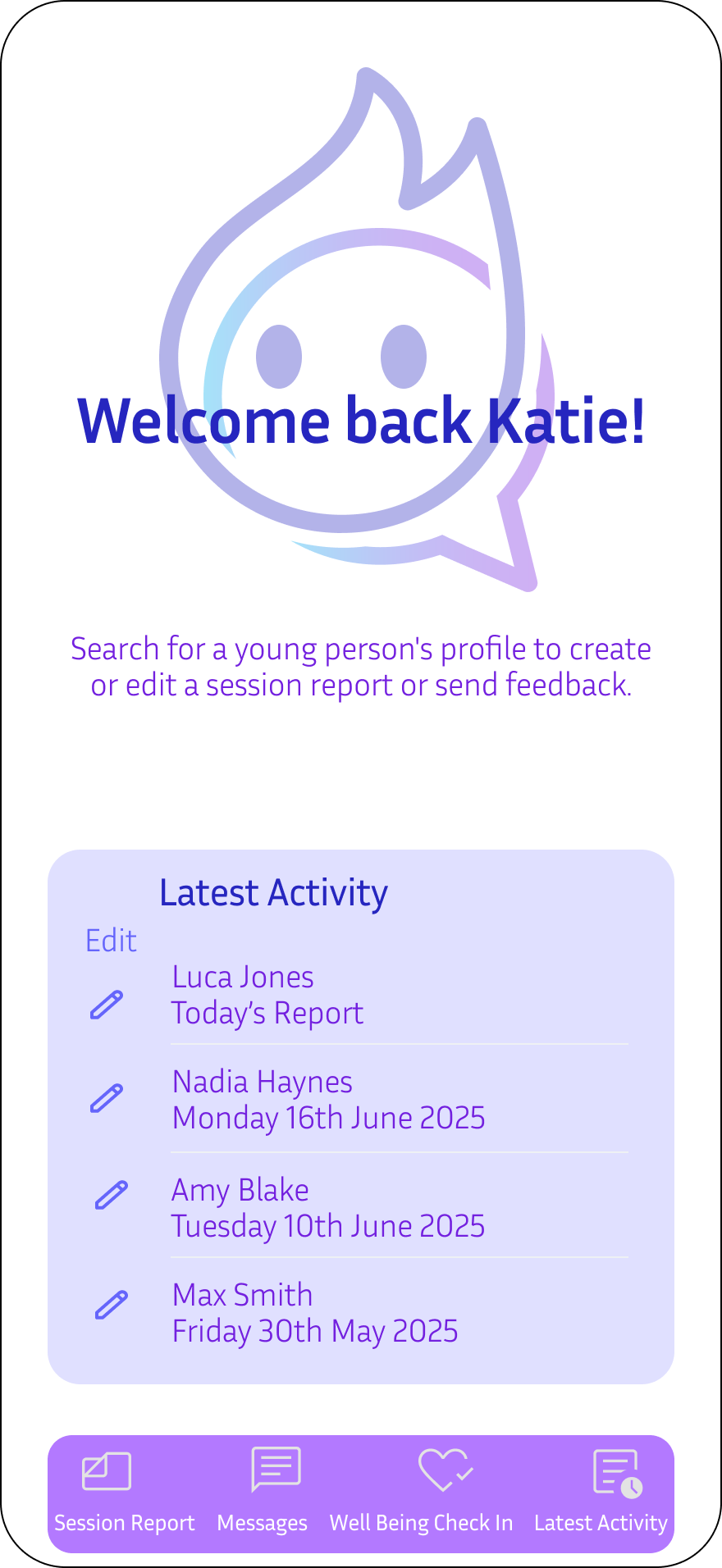
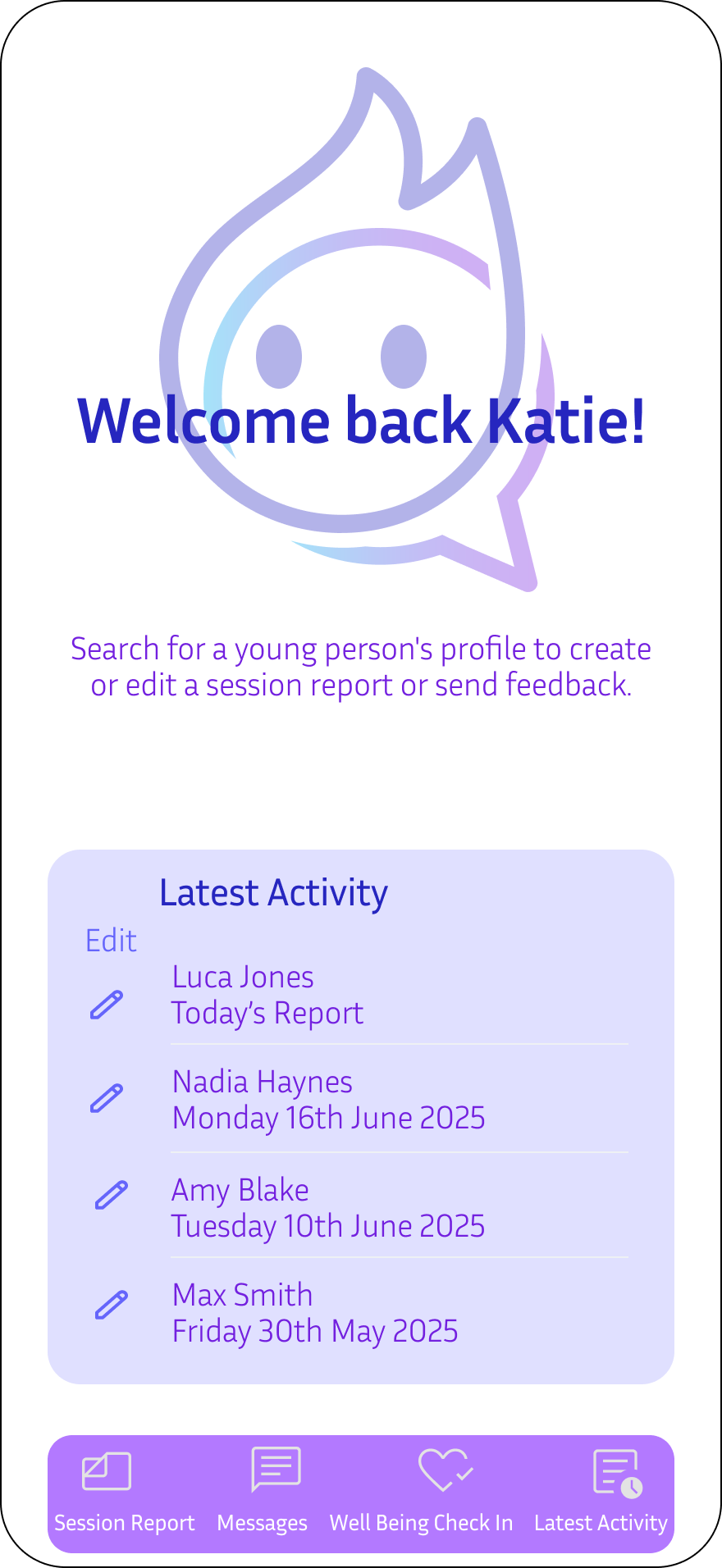
Home
Navigation at the bottom signals familiarity and ease of use.
Latest activity an option to continue editing or navigate to another page
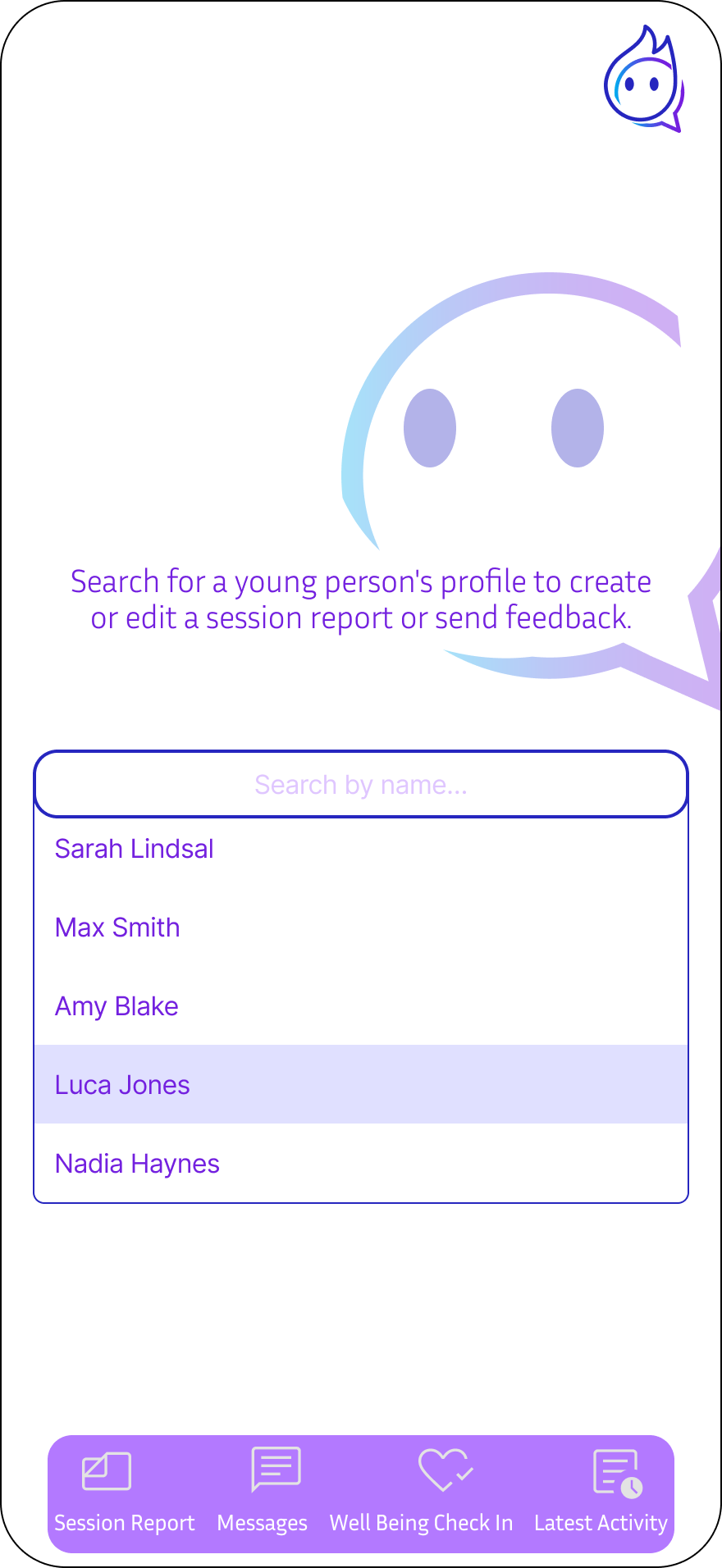
Report, Profile & Feedback
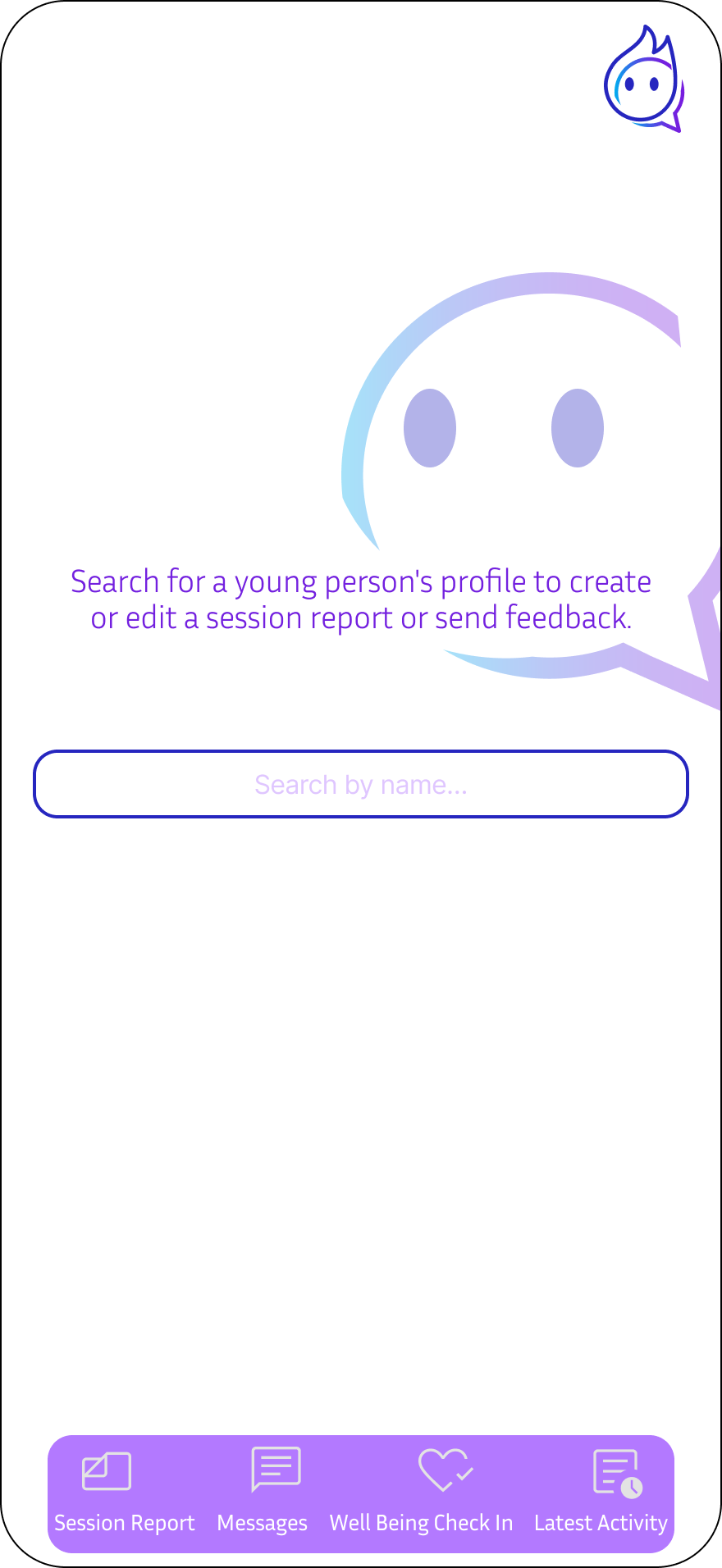
Search or selection of a profile creates a sense of safe guarding that you are on the correct profile
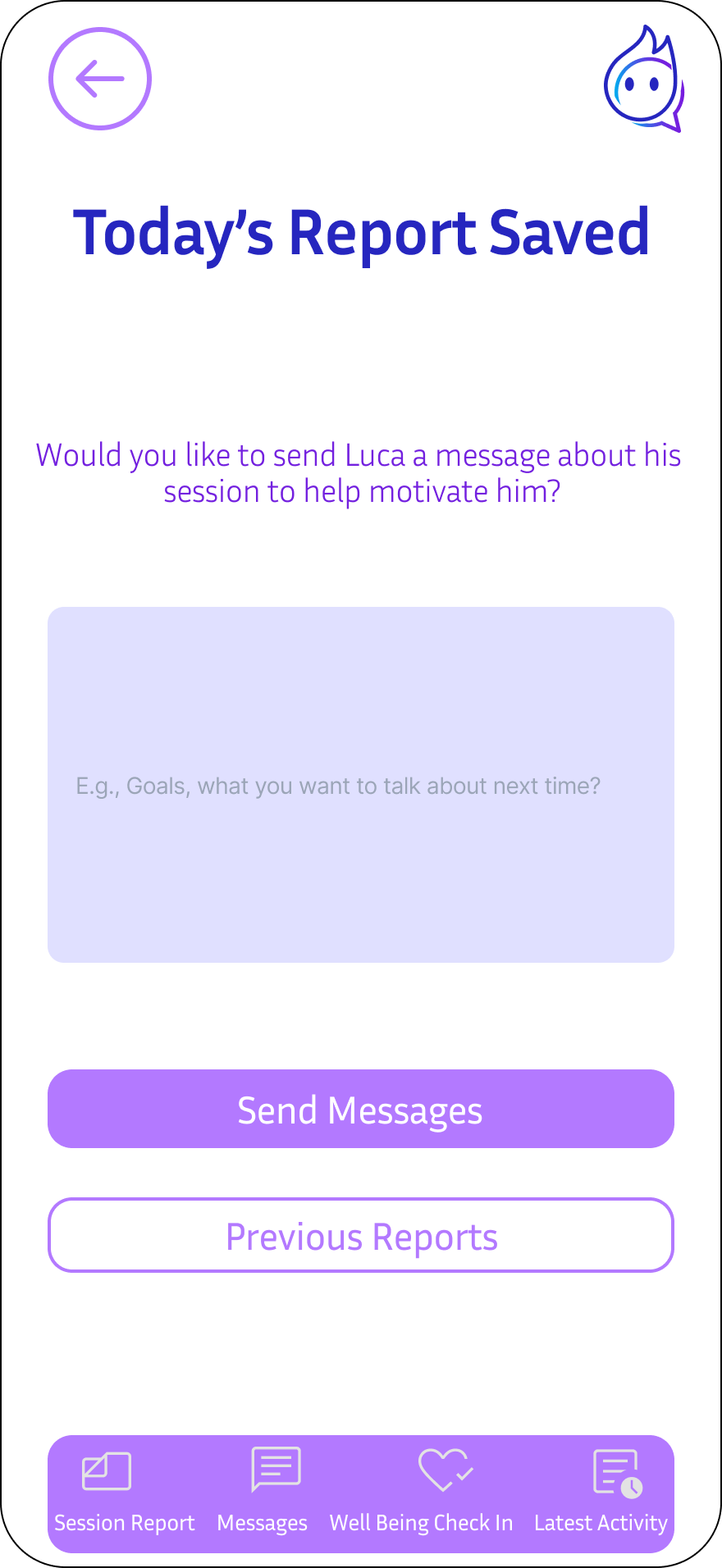
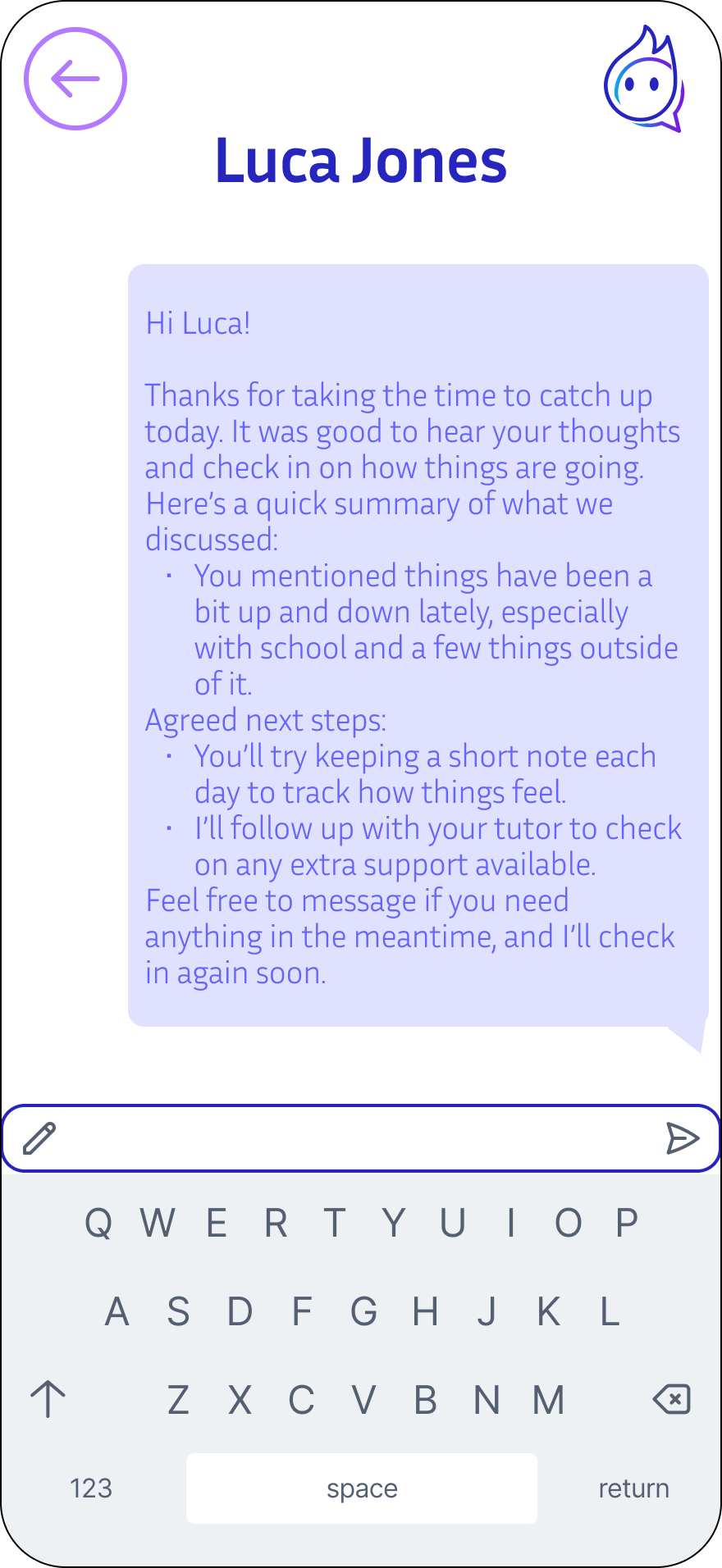
Choice to message Luca conveys relationship-building and encouragement.
Access to previous reports shows continuity of care.
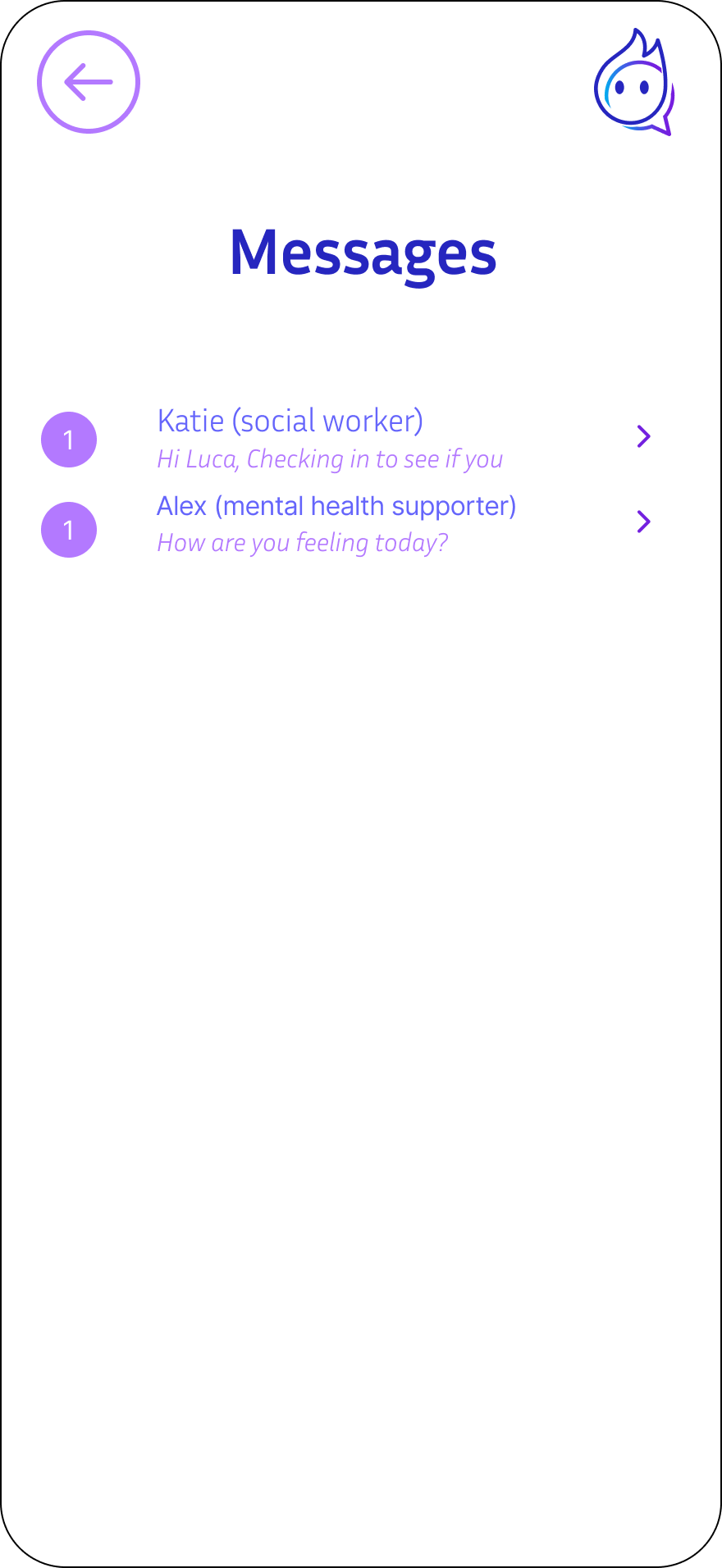
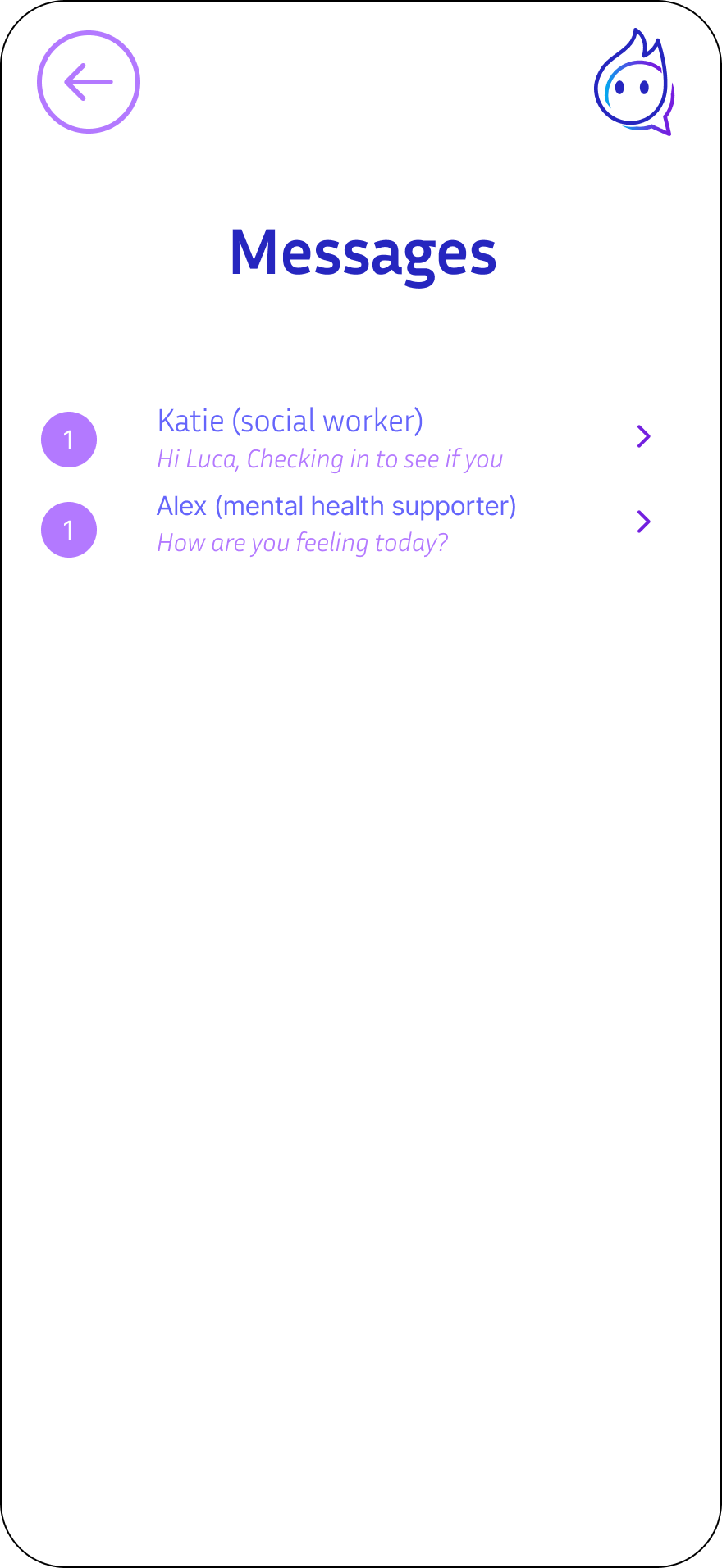
Messages section
Builds connection and ongoing dialogue.
Options like reminding goals - motivation, accountability, and progress tracking.
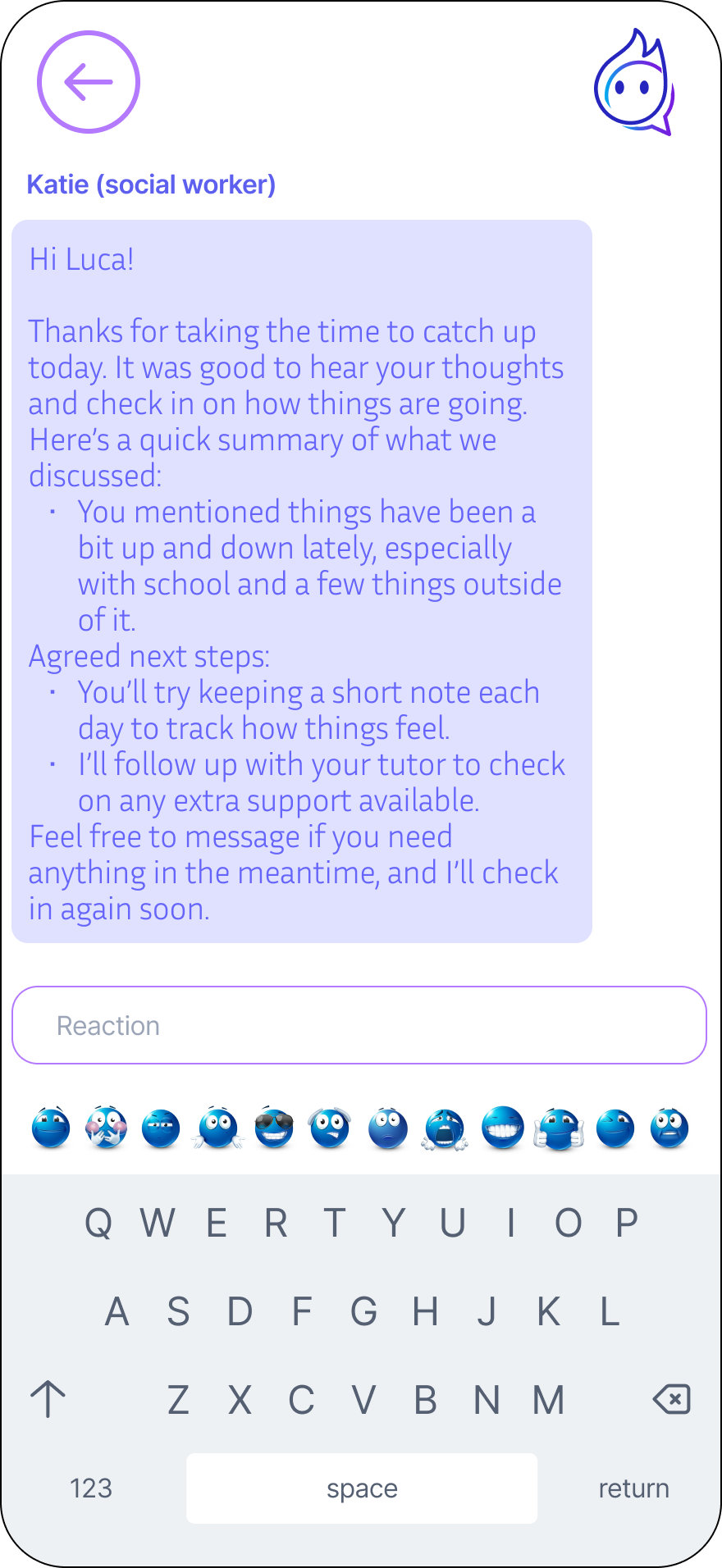
Youth being able to message how they feel - empowerment and safe self-expression.
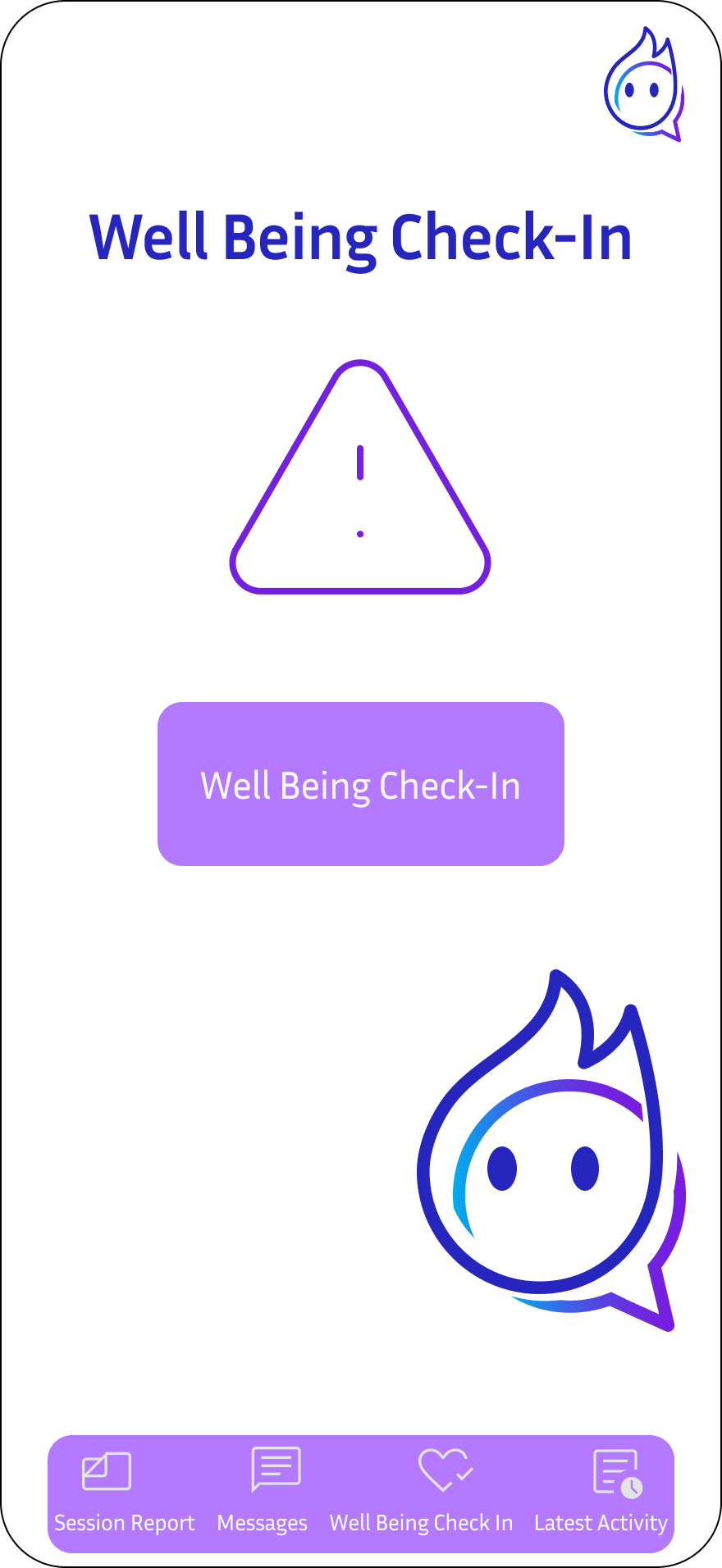
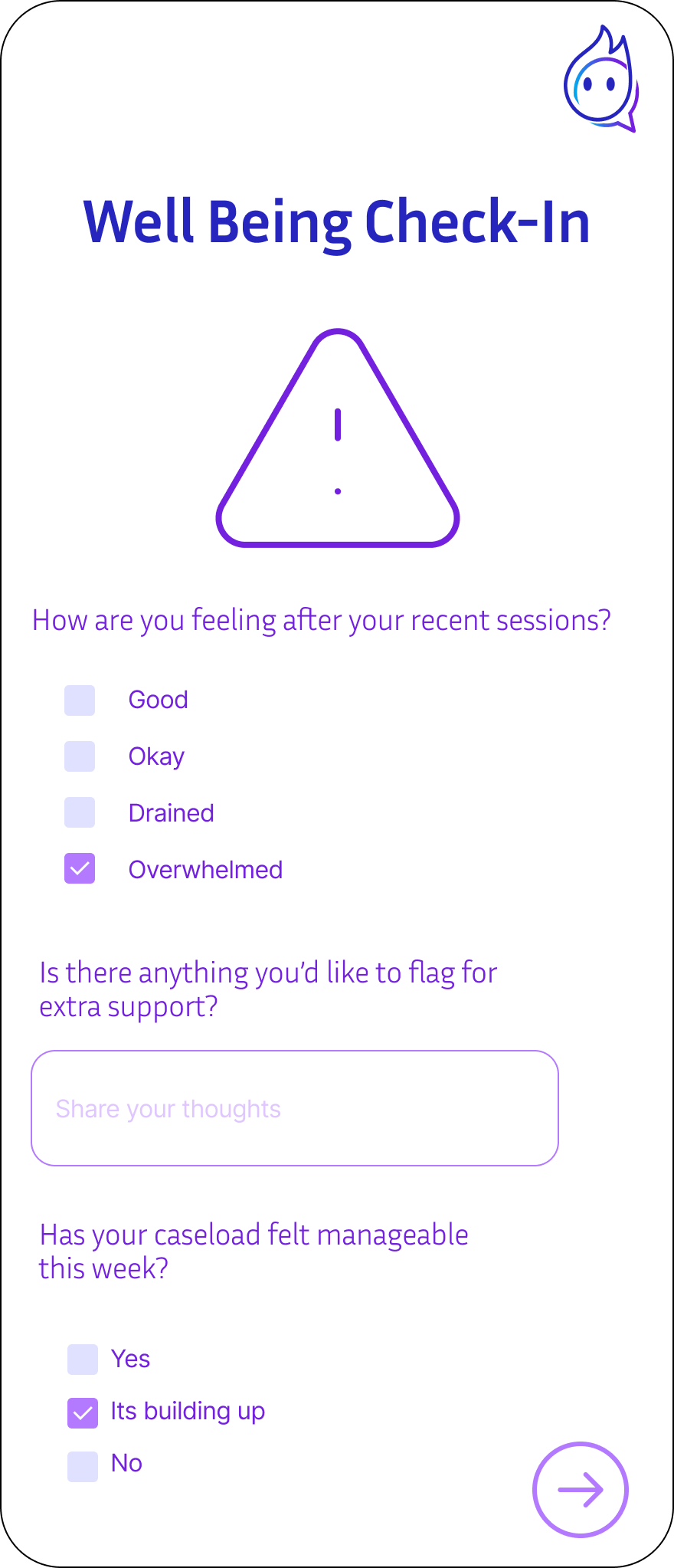
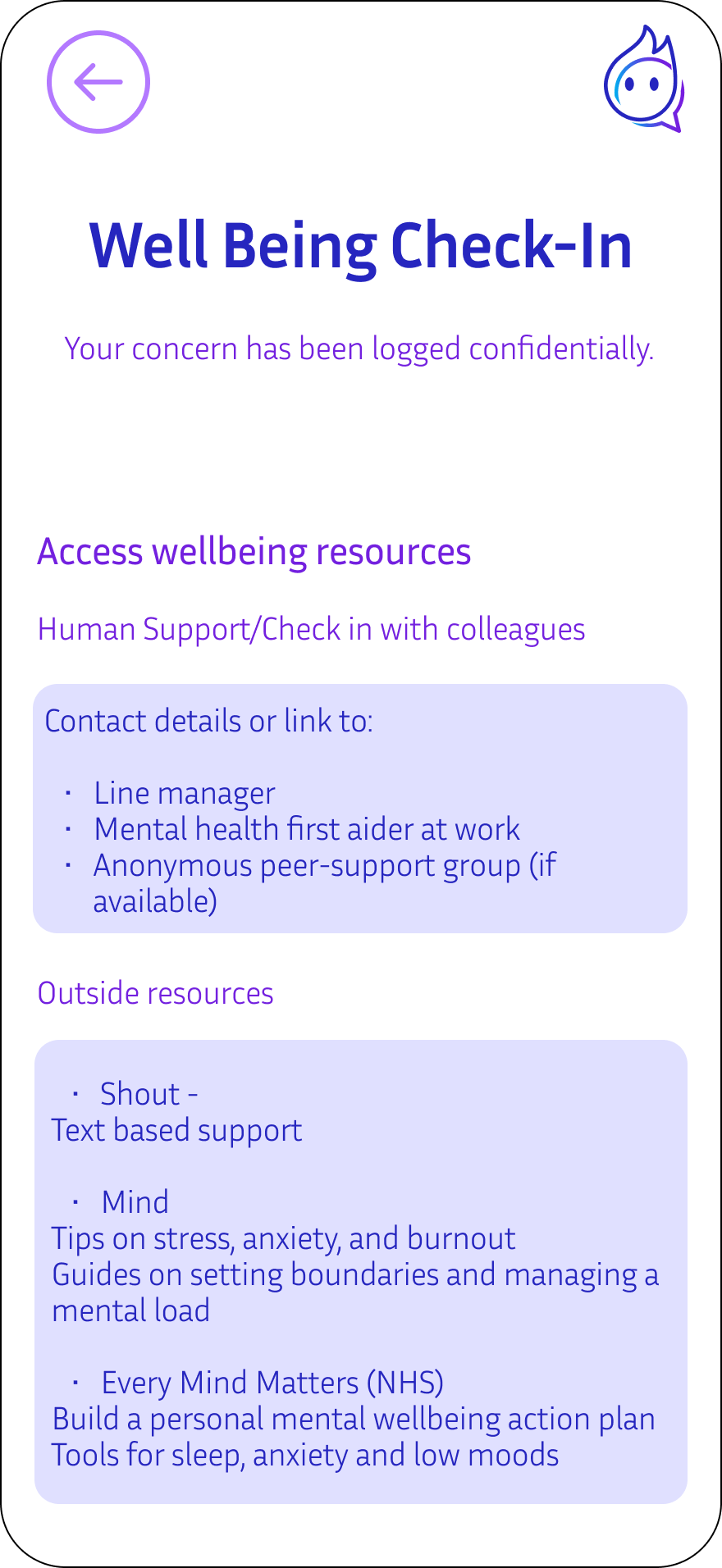
Wellbeing Check-in (for workers)
Inviting the youth worker to reflect on their own wellbeing signals mutual care (not just for young people).
Results & resources = supportive ecosystem and mental health prioritisation.
Adds a layer of warmth and humanity to the professional tool.
Messages
What I’d do differently
Test with youth workers and young people, with strong ethical safeguards
Strengthen safeguarding triggers for concerning disclosures
Define clear crisis protocols, especially out of hour
Ethical challenges
Balancing trust with professional boundaries
Empowering young people without increasing risk for workers
Finding the right balance between usability and security
Key learnings
Designing for vulnerable users demands constant prioritisation of safety
Simpler solutions can be more dignified and effective than feature-heavy ones
Emoji-based communication can feel more authentic than formal language
Social workers need tools that reduce, not add to, their workload
Solo projects force strong prioritisation of core needs
Next steps
Work with safeguarding experts to validate risk and security features
Test with 10–15 youth workers across varied settings
Design the wider ecosystem: onboarding, training, and admin tools
Take a look at…
The Solution



HOW CAN WE HELP THEM?
One platform for all tools.
Messaging with empathetic auto-replies after hours.
Flag high-risk messages for safeguarding.
Reduce admin, increase time for real connection.
Ensure everything feels secure and easy to navigate.
Highlight high-priority issues clearly.
HOW MIGHT WE HELP SOCIAL WORKERS COMMUNICATE BETTER?
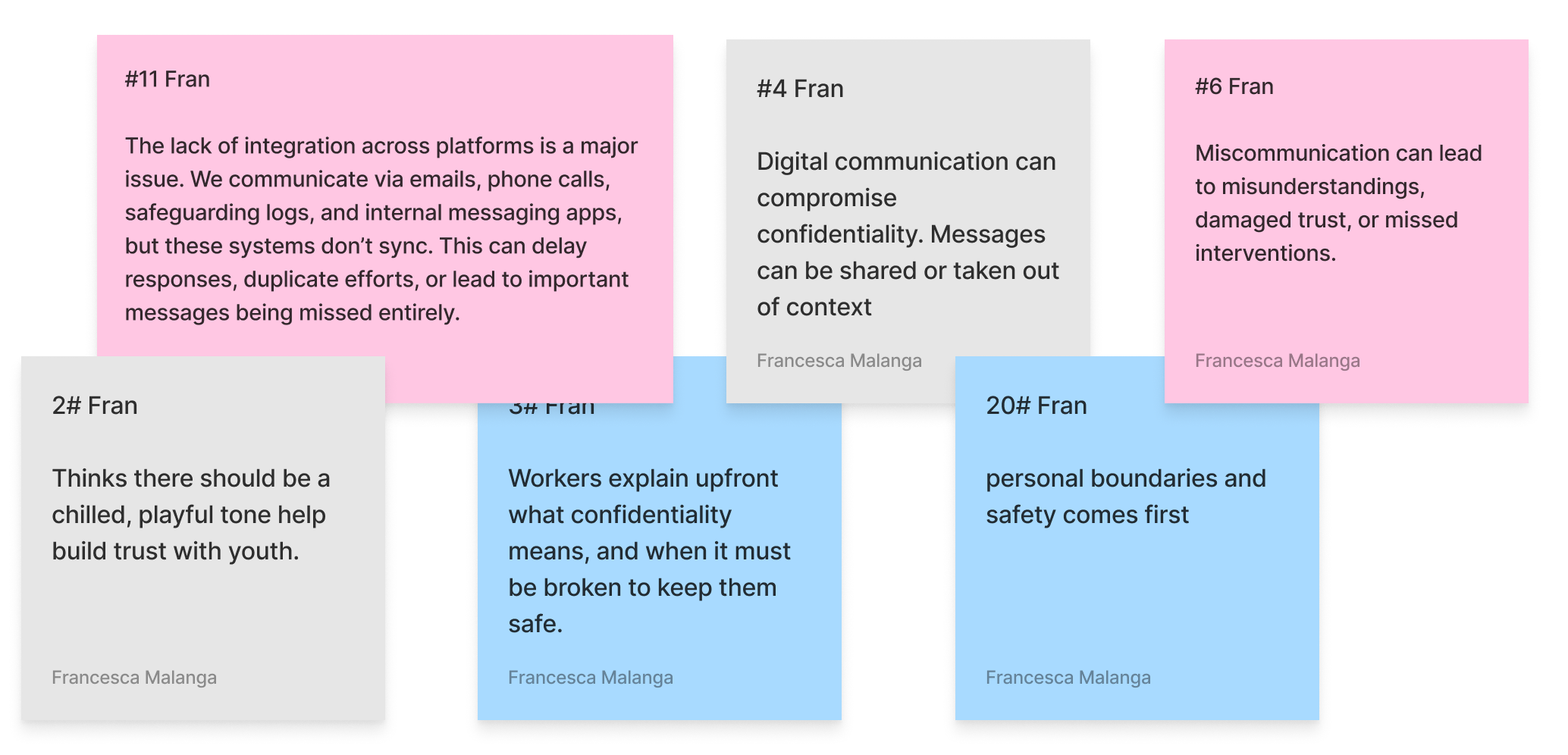
Social workers find that too many tools leads to confusion and miscommunication, this causes important information to get lost or overlooked.
Develop
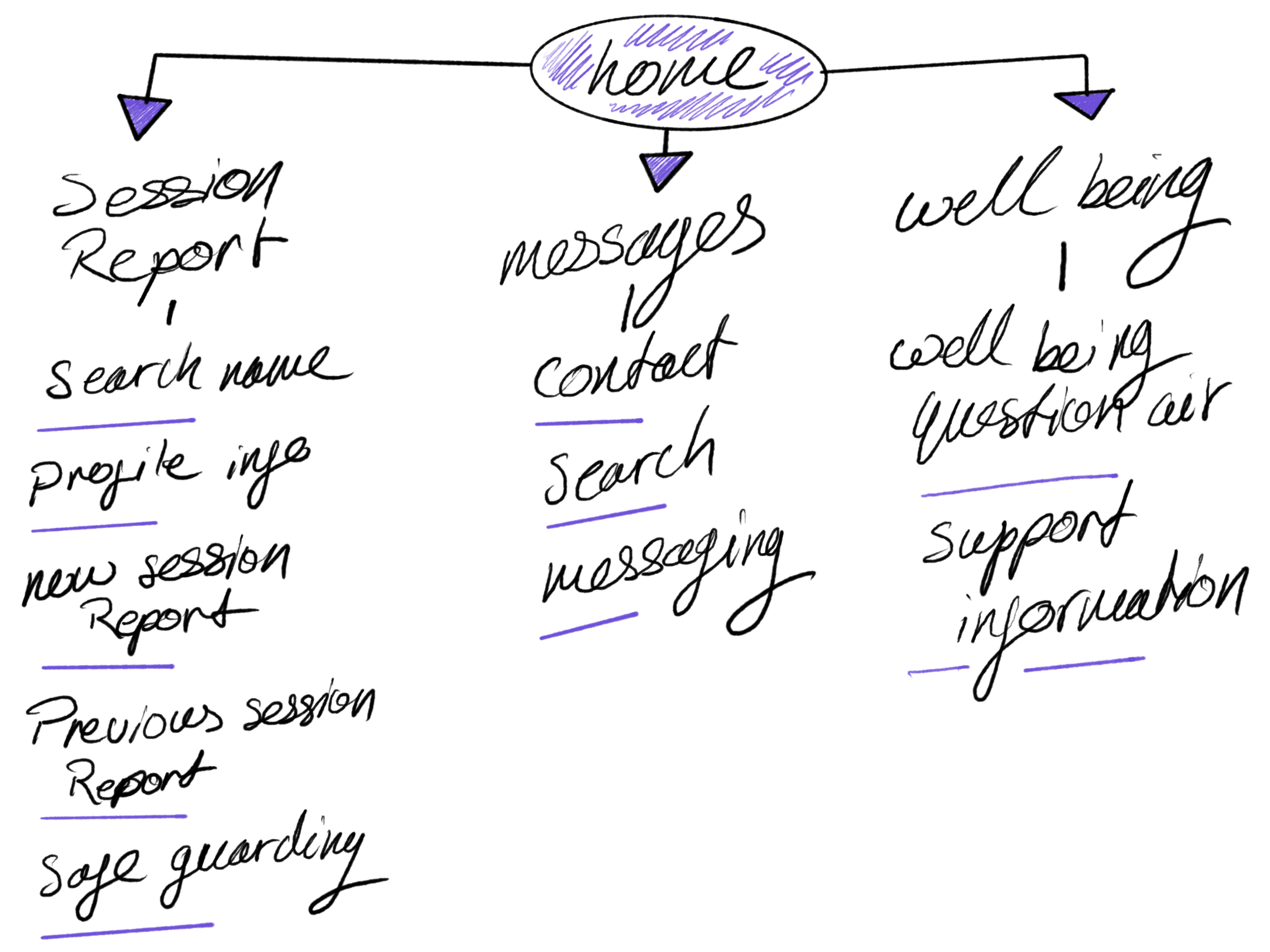
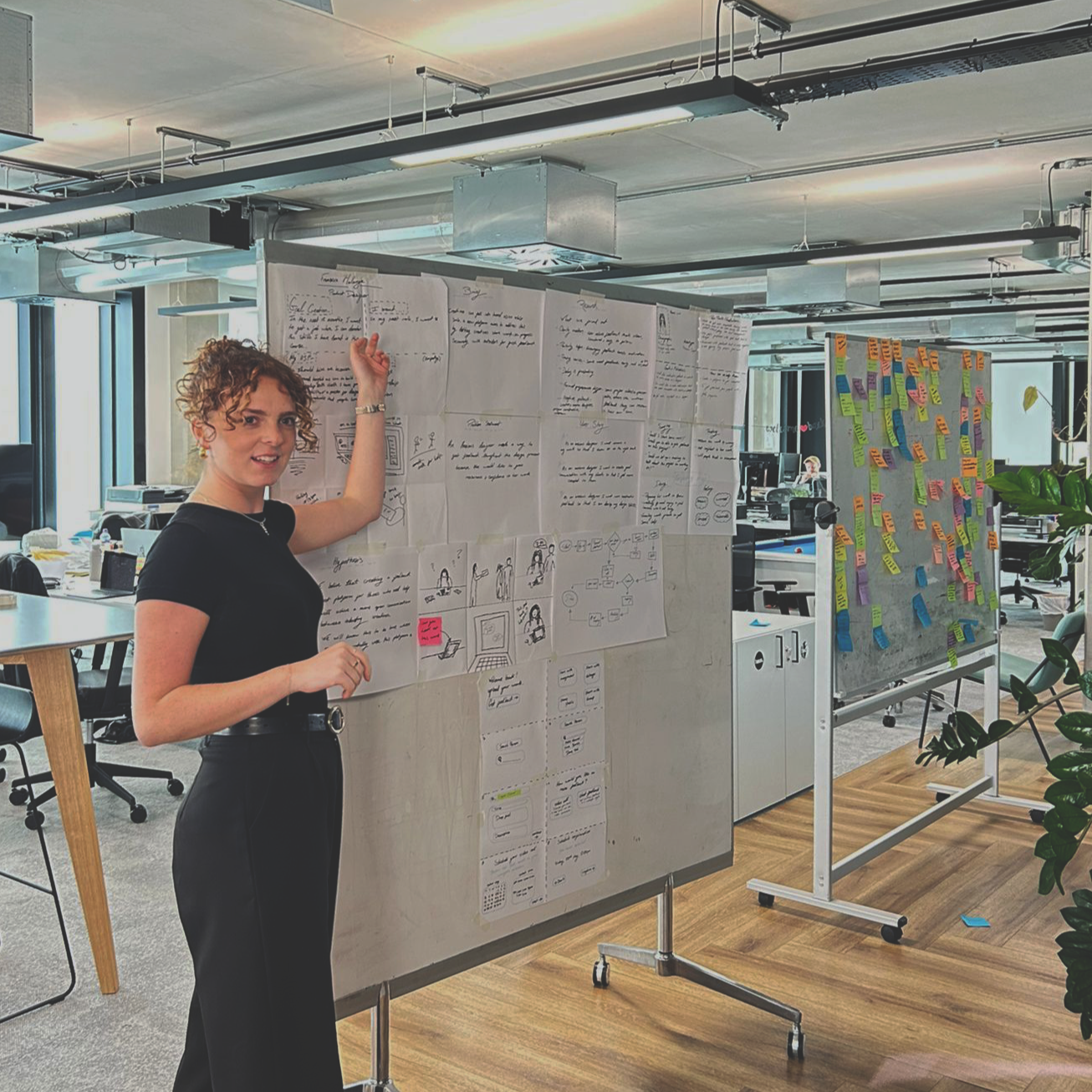
Information Architecture
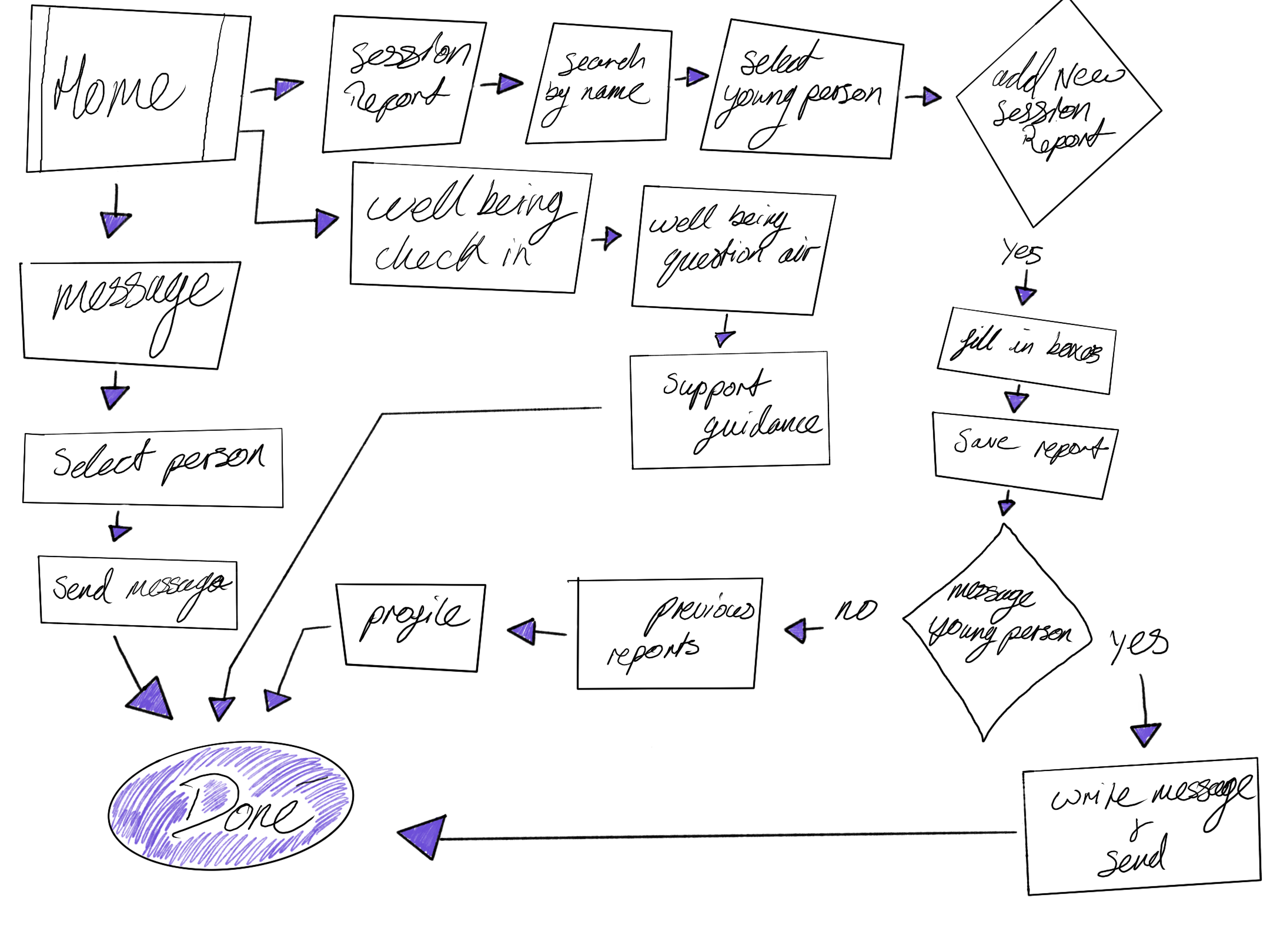
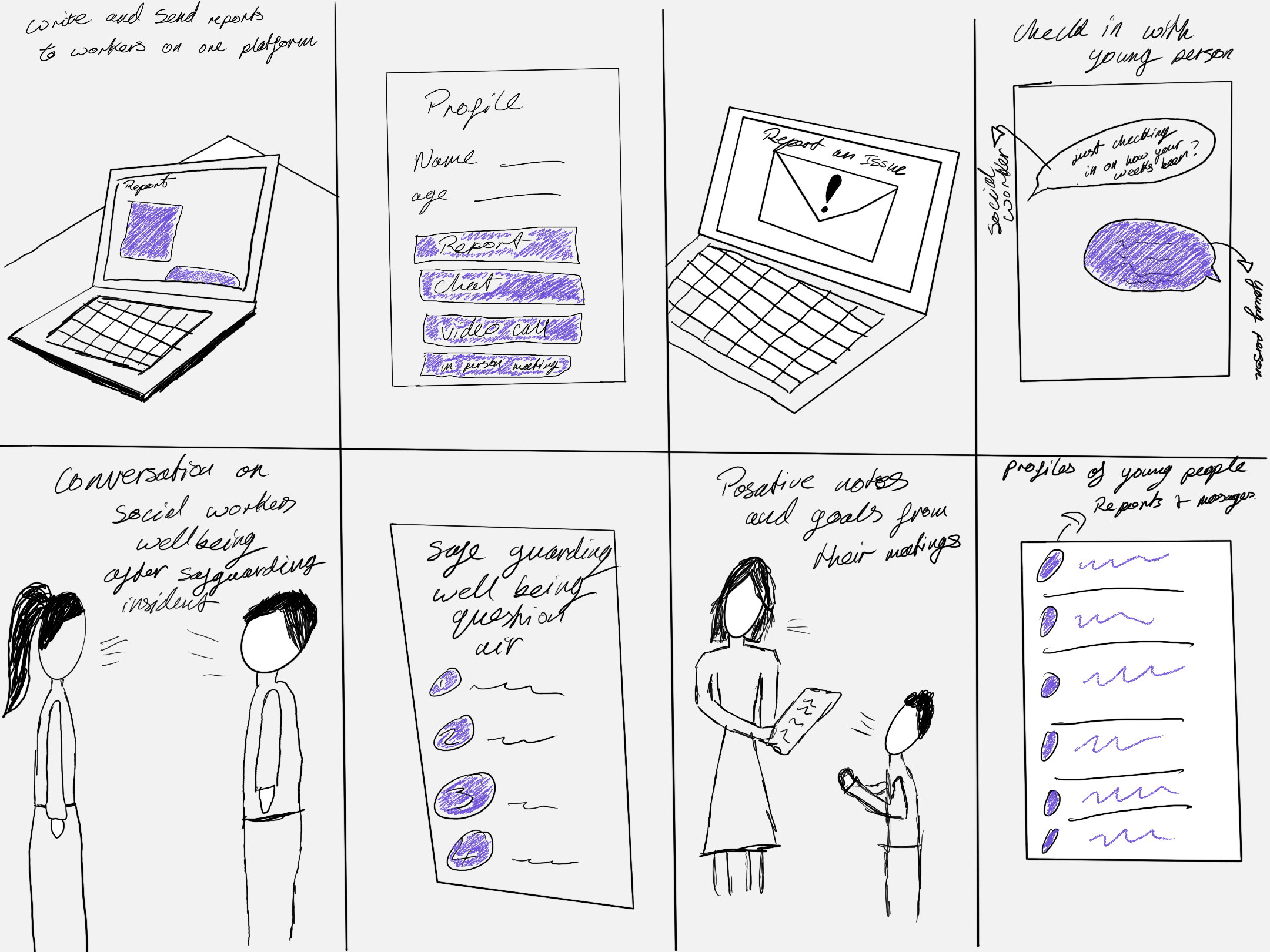
After testing the low-fidelity prototype, I revisited the design to make improvements. I reorganised and laid out the information more clearly to help me gain a better overview of functionality.
User Flow
Improvements Made:
Tested different wording options.
Replaced "Report" with "Session Report" – users found this clearer and less confusing (e.g didn’t confuse it with incident reporting).
Ideation
KEY IDEAS SELECTED FROM IDEATION PROCESS
Young Person Profile & Reports
Messaging Check-insPositive Feedback & Goals for the Young person
Wellbeing Questionnaire to support social workers.
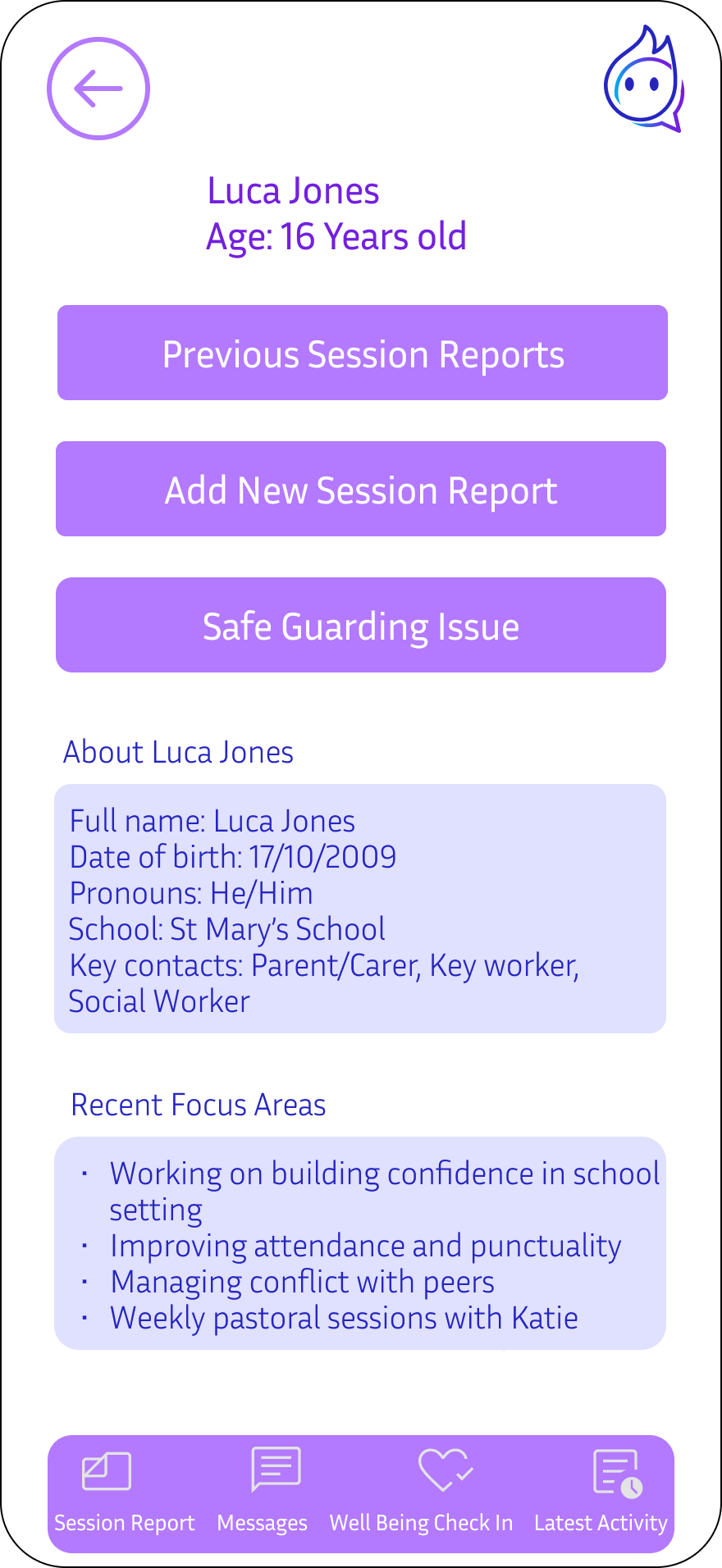
PROFILE
easy access to history, safeguarding, and previous reports. A clear option for
previous session report
add new session report
safe guarding issue
Young Person’s Section
Communication-focused only - keeps it safe, simple, and protects boundaries.
Emoji-based interaction:
Accessibility & inclusivity (no pressure to write).
Emotion over text - fosters comfort, relatability, and ease of expression.
Using emojis for profile photos adds personalisation and playfulness, softening the professional context.

3
HELP SOCIALHEADS
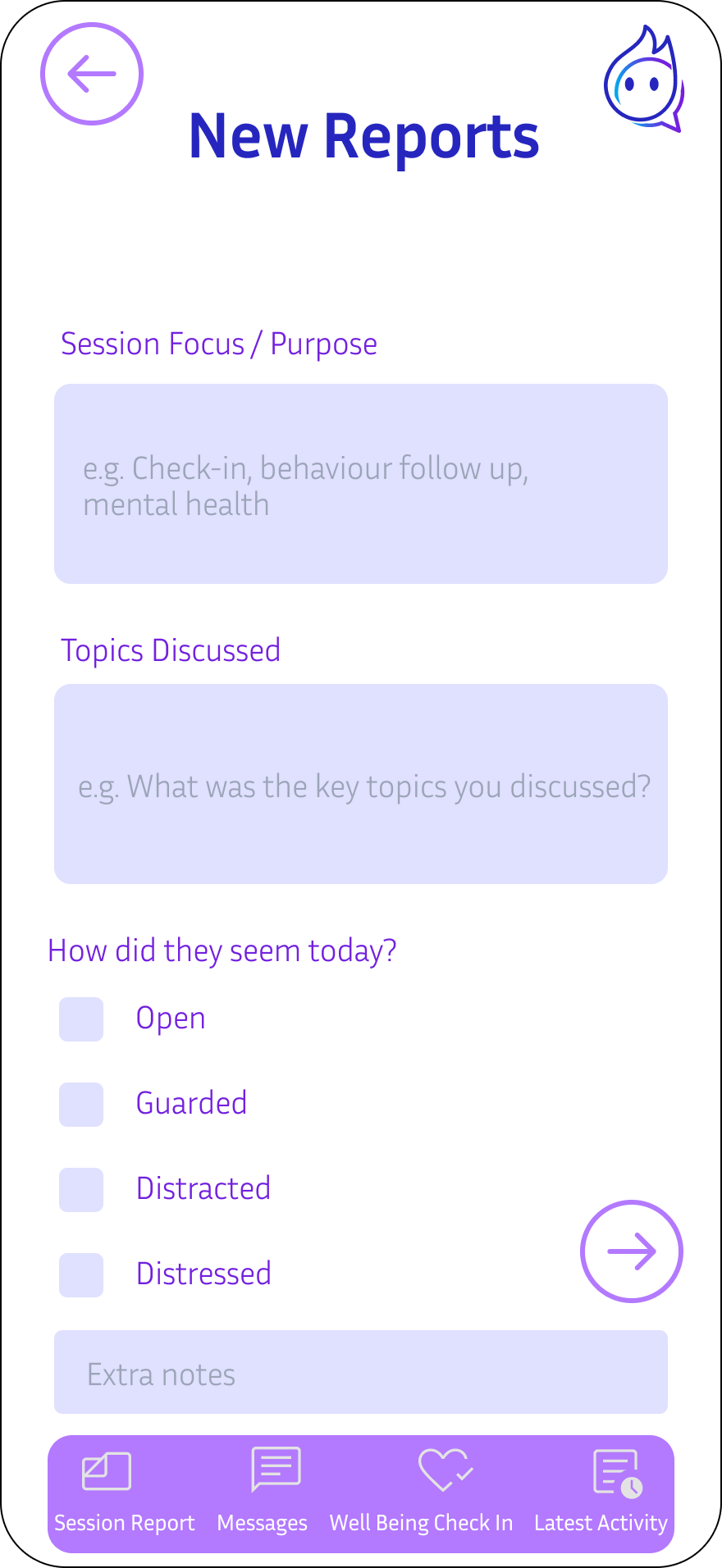
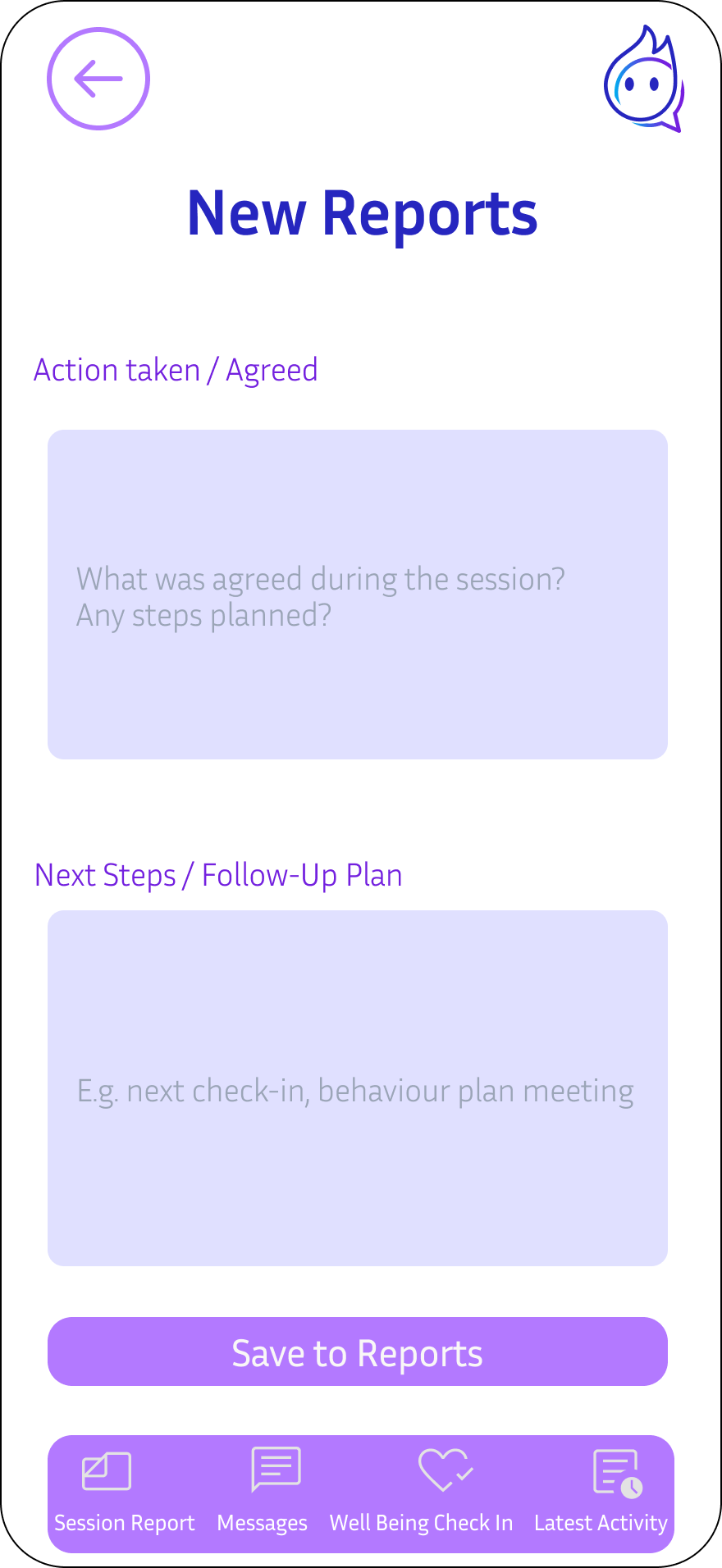
NEW SESSION REPORT
Guided prompts suggest support and structure (reduces cognitive load for the worker).
Saving the report reinforces progress and professionalism.
find creative solutions to fit the needs of the target audience
Define
PAIN POINTS:
Hard to build trust quickly; young people are cautious
Concern that reporting serious issues may break trust
Too many tools cause confusion and missed information
Existing tools feel clunky and too corporate
Young people avoid emails/calls, but WhatsApp isn’t secure