The Company
Enough
The Approach
I used the double diamond approach to break down the problem solving-
Discover, Define, Develop, Deliver
Discover

Stake holder interview
KEY INSIGHTS
Digital platform offering a “nutritionist in your pocket”
Surplus food sold at a discount through a shipping container storefront
Supports healthier family outcomes and a simpler access to food
Targets underprivileged communities
Promotes sustainability by reducing food waste
Enough is a company tackling food waste by offering surplus food crates alongside a digital app with nutrition tips, recipe ideas, and budgeting.
My Role
PROJECT: Enough
TIMELINE: 2-week sprint
TEAM: 4 designers (collaborative research phase), then solo design
MY ROLE: Research Lead & Solo Designer
RESPONSIBILITIES:
• Led user research, stakeholder interviews, and synthesis (team phase)
• Solo design: Hypothesis, Problem statement, user flows, wireframes, Low-High Fidelity, prototyping, final UI
• Presented independent design solution to client
TOOLS: Figma, FigJam, ChatGPT, Google Forms, Google Slides, Pen & Paper
CLIENT: Client project through Experience Haus bootcamp
The Design Challenge
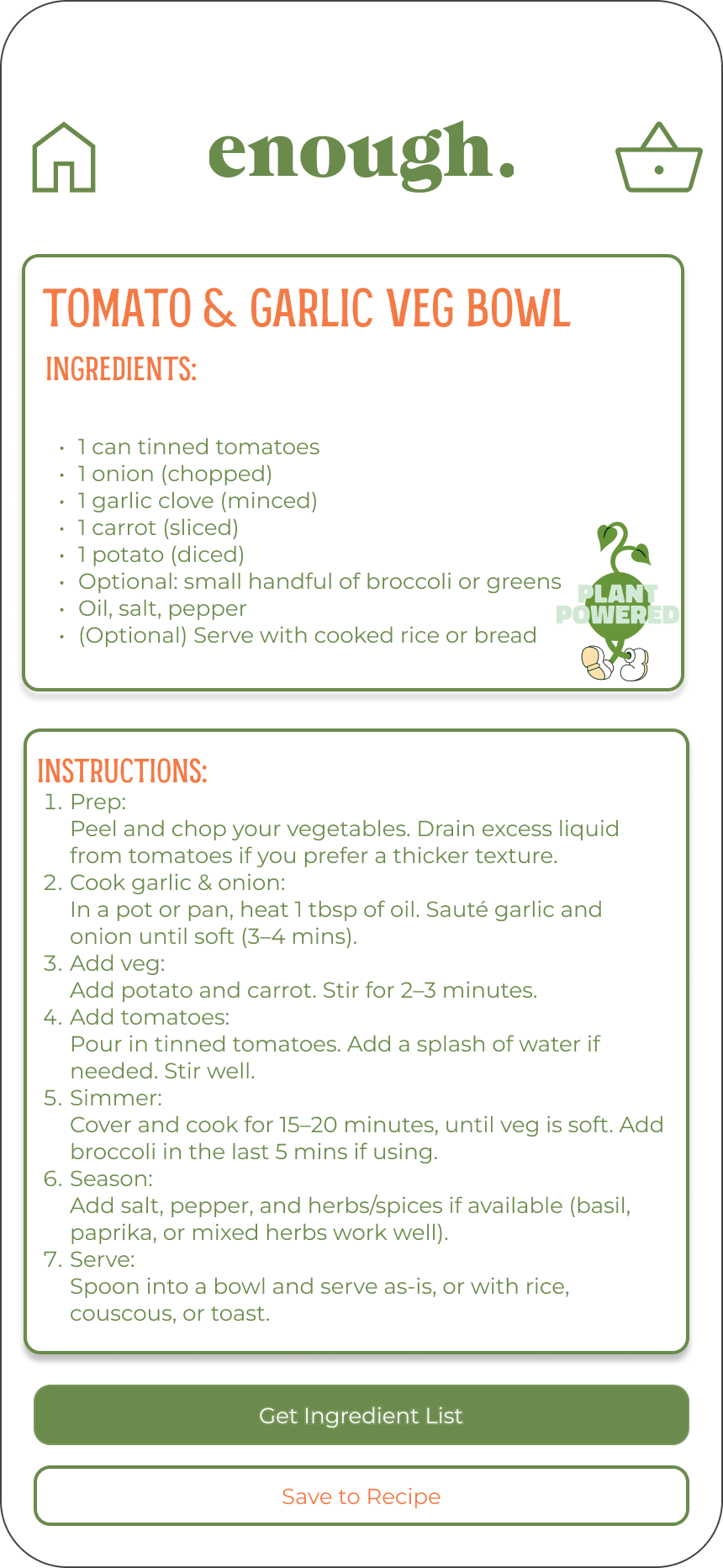

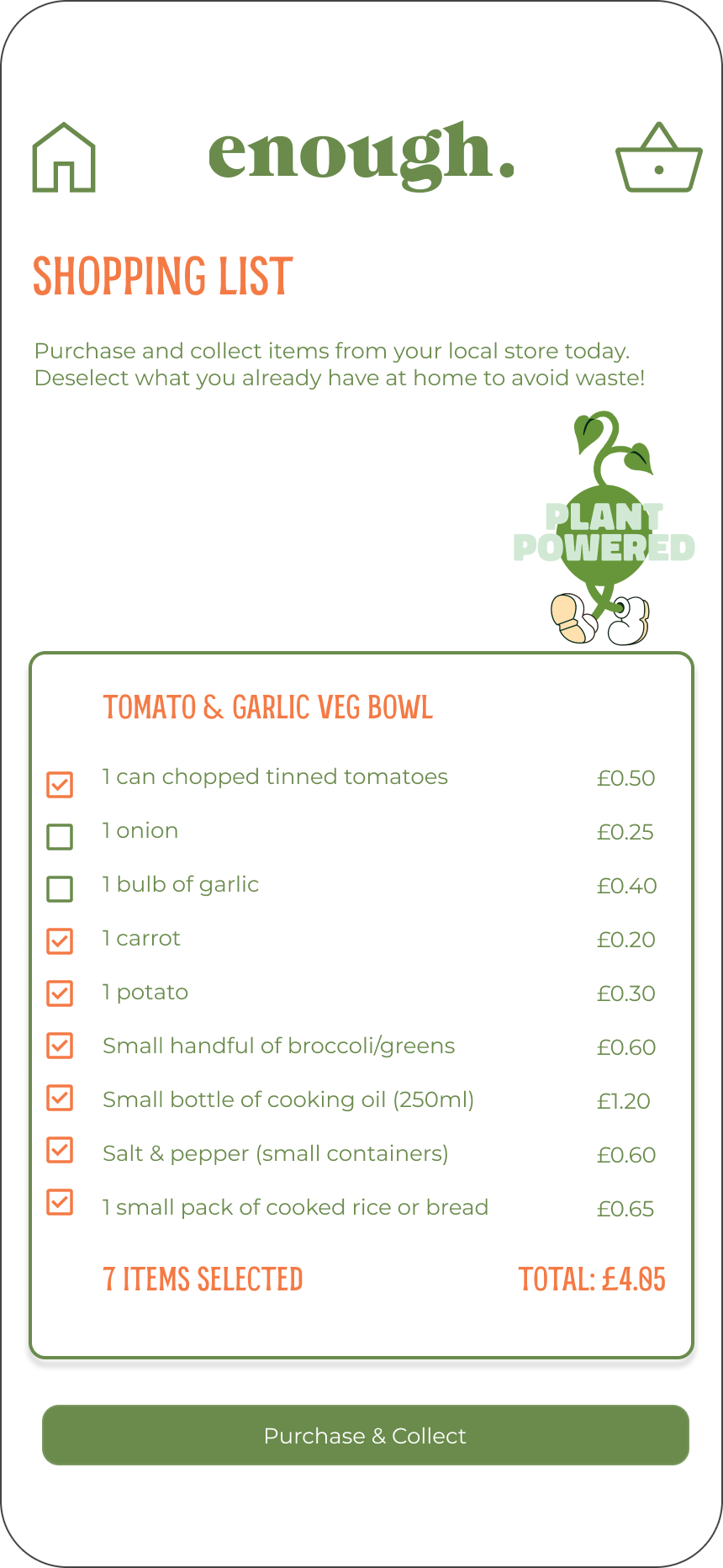
The user chooses Tomato & Garlic Veg Bowl and clicks Get Ingredients list.
CONFIRMATION
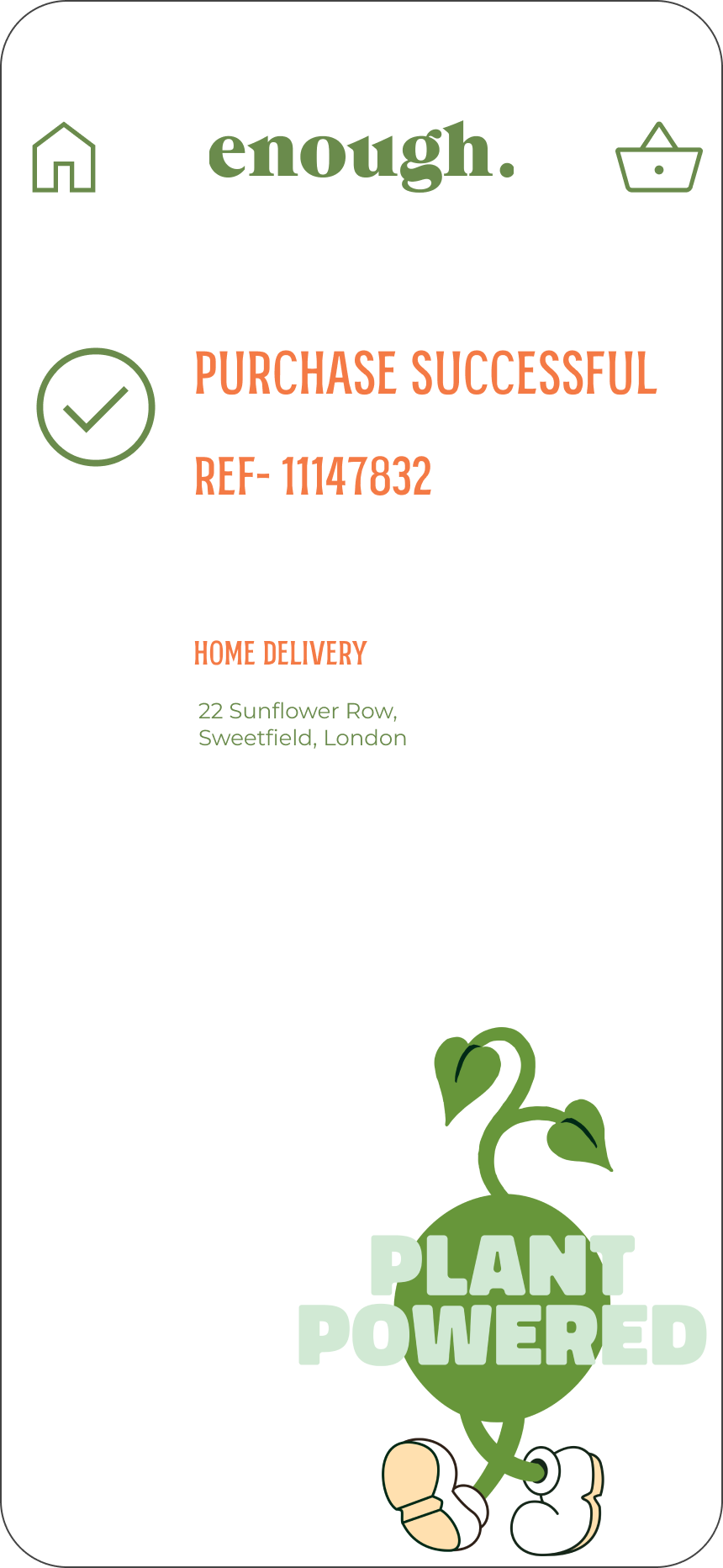
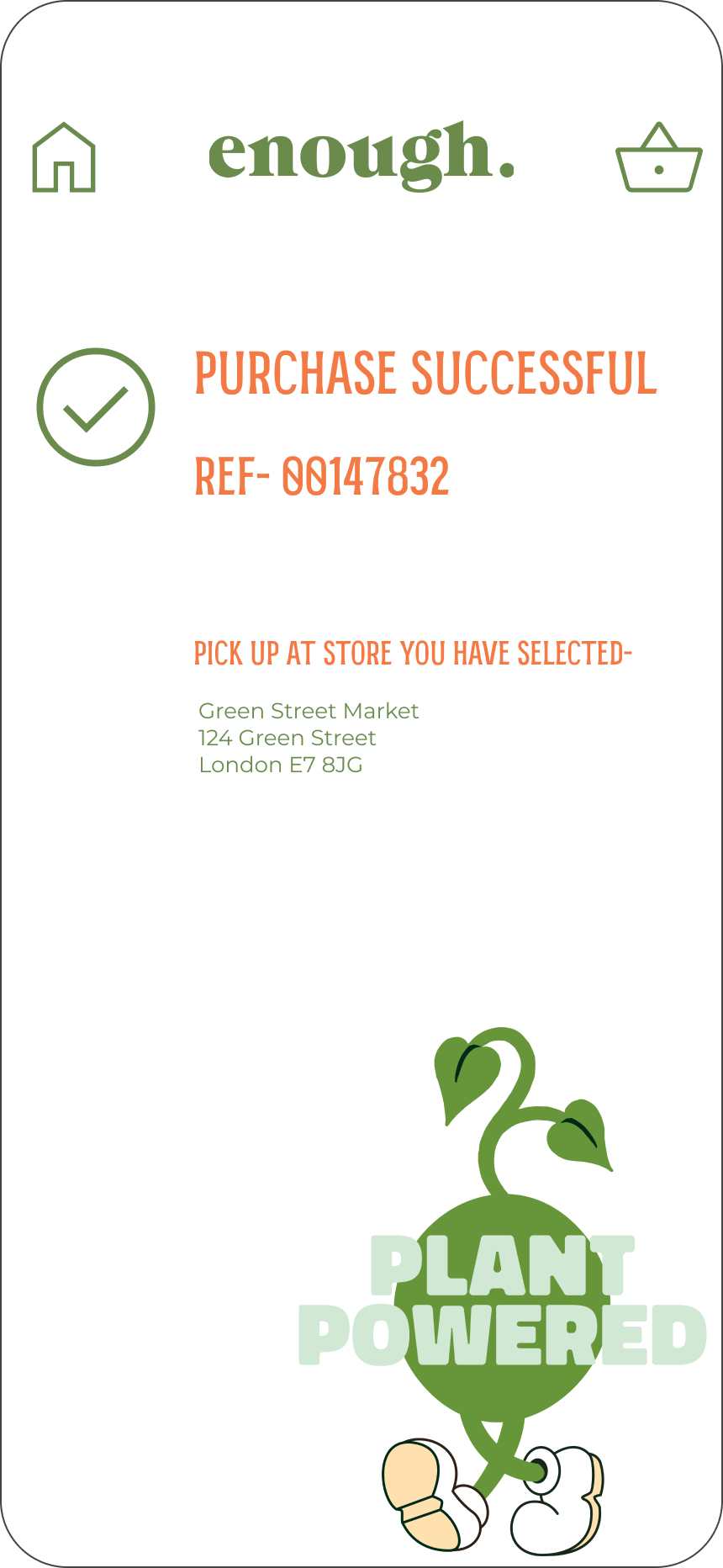
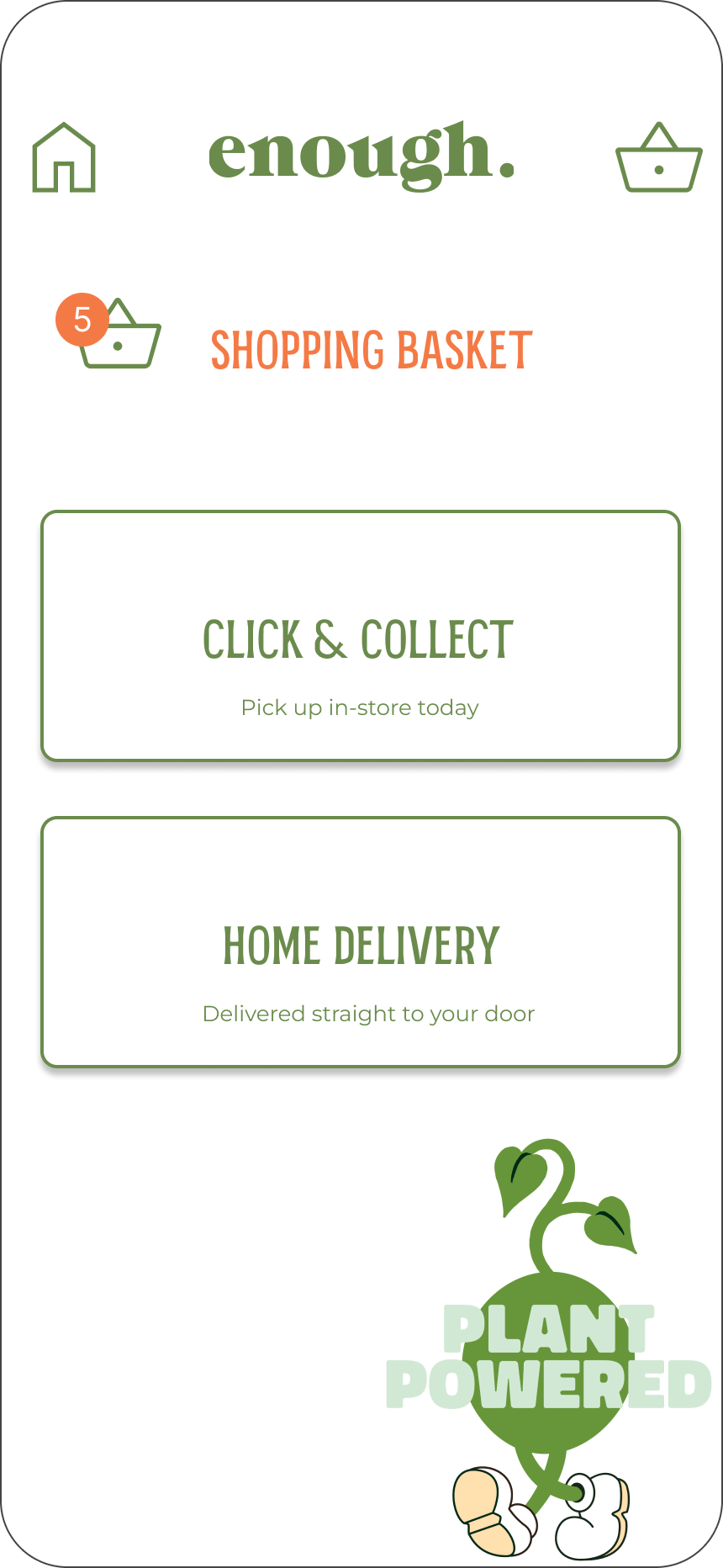
After choosing their ingredients, the user selects Purchase & Collect, pays for the products, and picks up their groceries from their chosen location in the user flow.
Test the budget planner with real users from the target audience. I tested with people round me as it was a two week sprint and didn’t get a chance to test with key demographic.
Explore offline users with limited internet access
Improve accessibility (screen readers, literacy levels, language options)
Research alternative payment methods beyond cards (cash, vouchers, benefits)
Key Learnings
Solo projects demand strong prioritisation and focus on core features
Real-world constraints meaningfully shape design decisions
Impact often comes from simple, well-executed solutions, not complexity
Next Steps
Run co-design sessions with users
Test the prototype with 5–10 target users to uncover friction points
Expand the design to include the full service, including physical food crates that distribute the surplus food itself, alongside supporting touch points such as in-store signage, staff guidance to ensure the service works hand in hand both digitally and offline.
Browse Groceries Flow
Select Shop The user chooses shop from the home page.
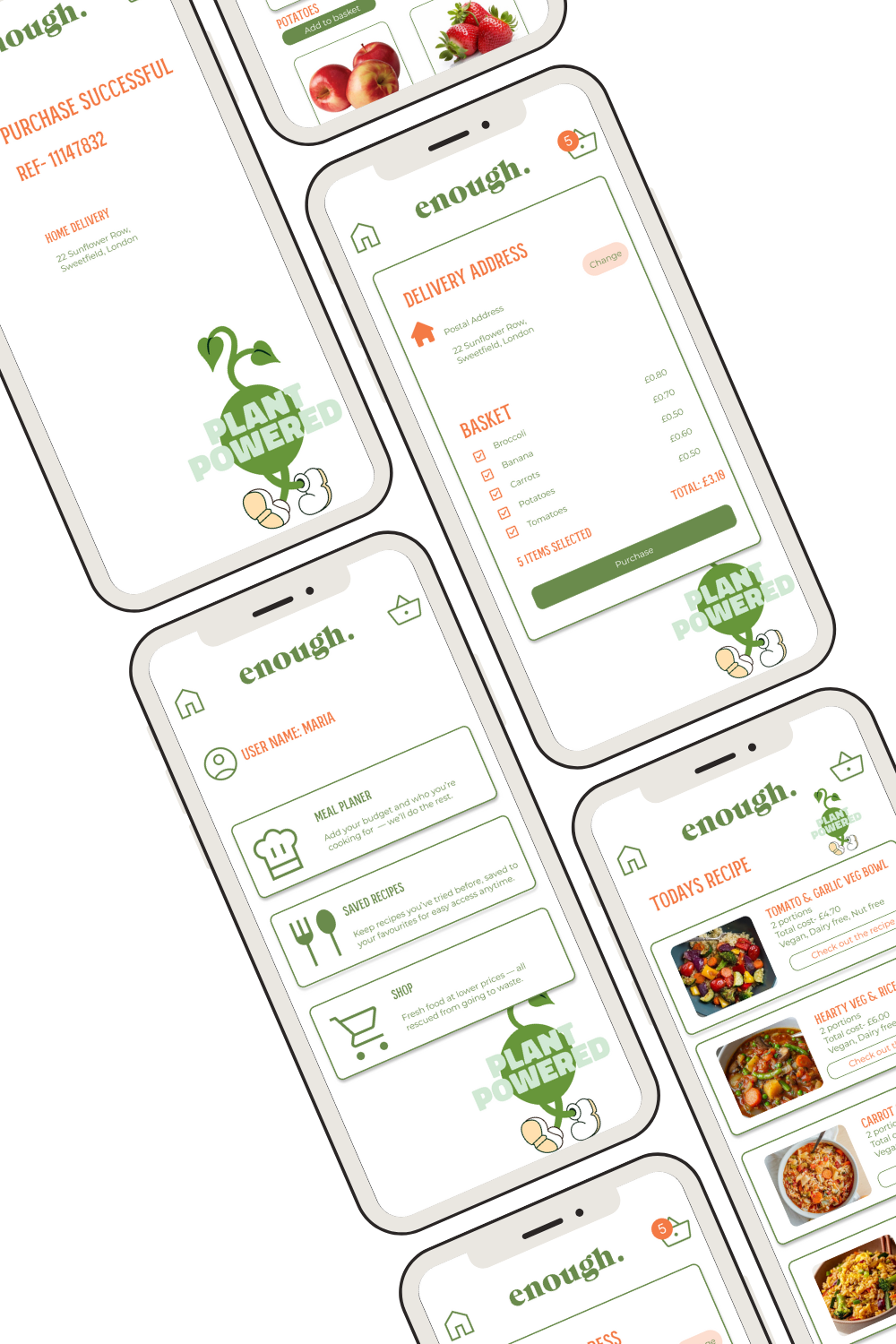


This project helps low-income families get access to affordable, nutritious food.
I interviewed:
Idia’s Community Kitchen
Salvation Army (Communal Day)
Manana Project
Budget-conscious shoppers in our network
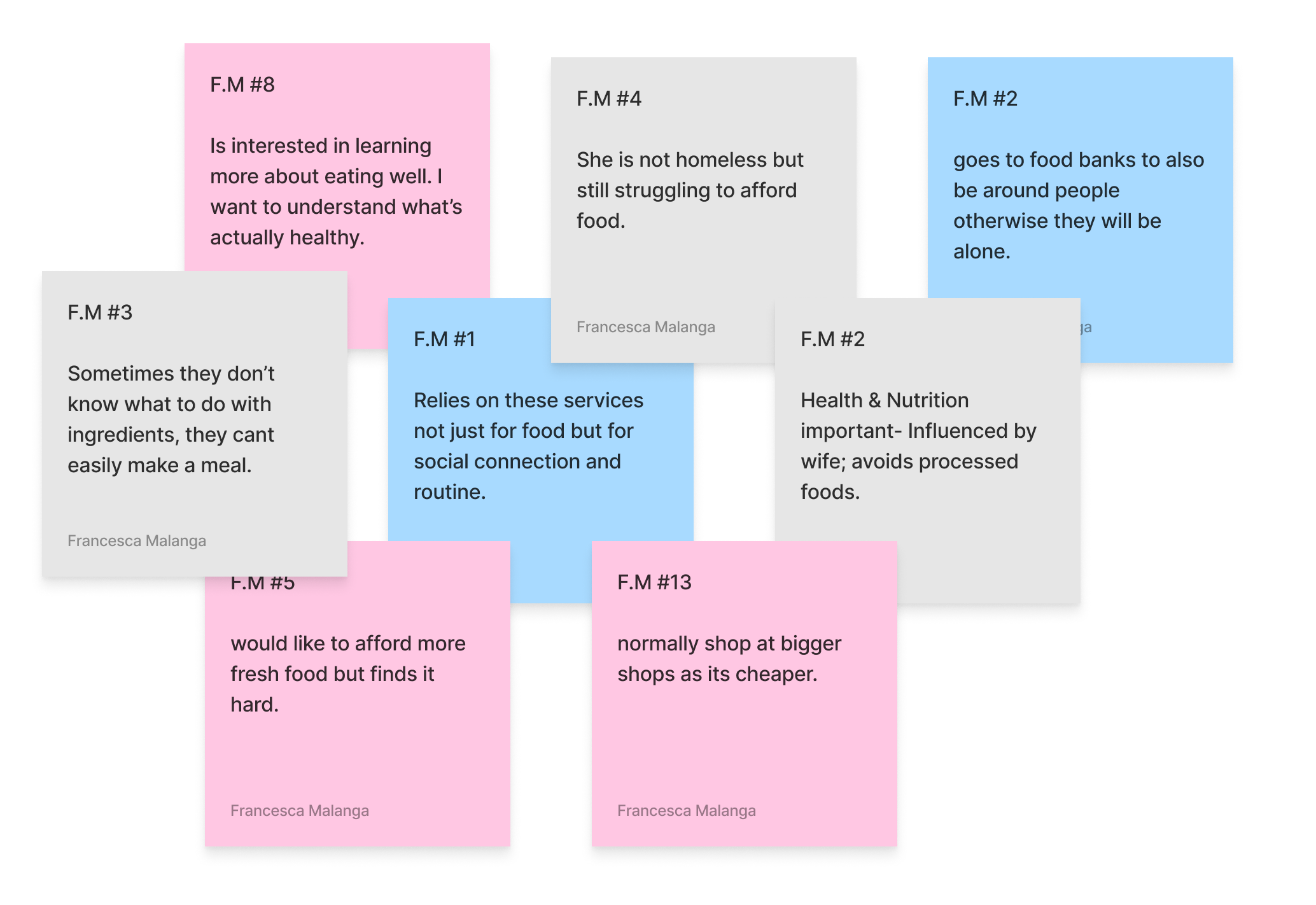
My findings
1
Many users need more education around nutrition
2
A sense of community is essential to users
4
Affordability is a key factor when accessing food.
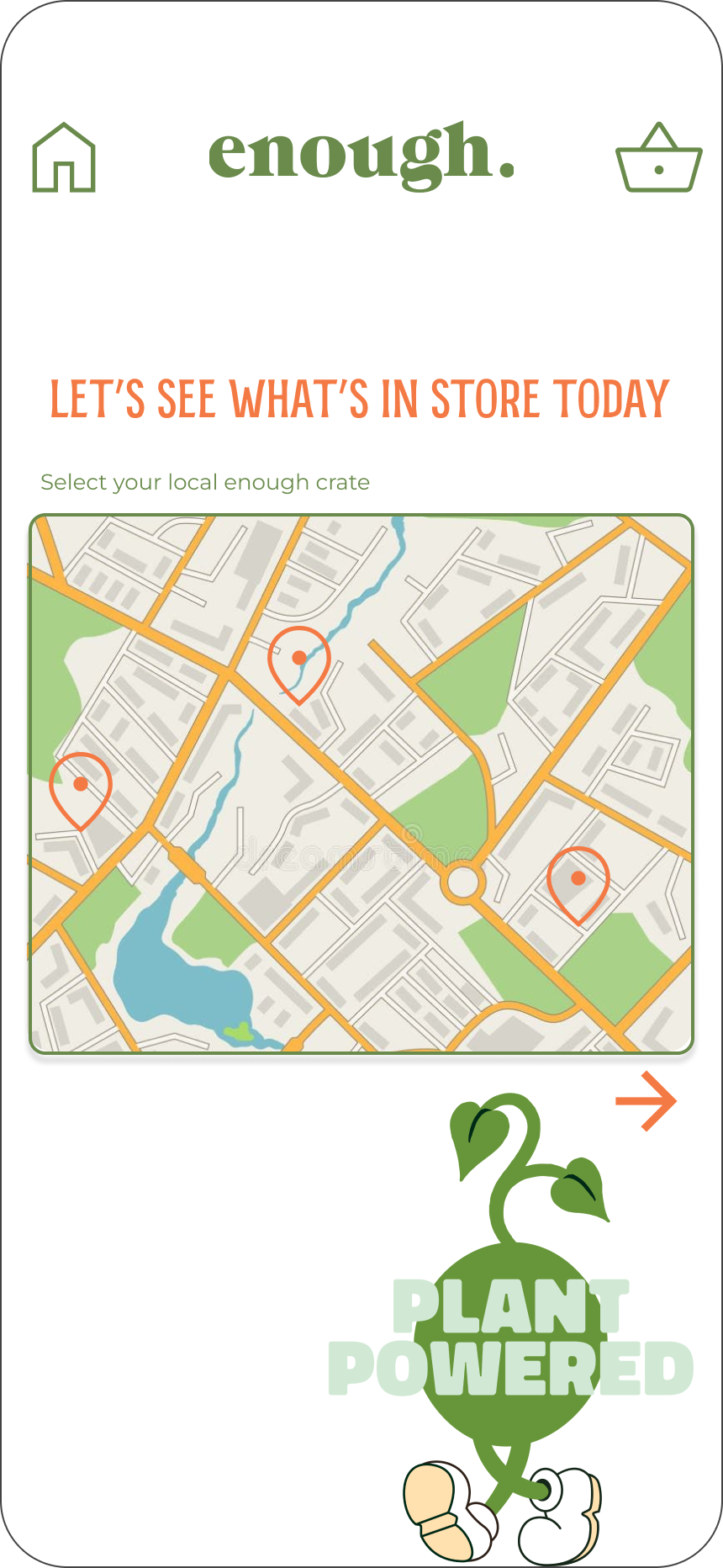
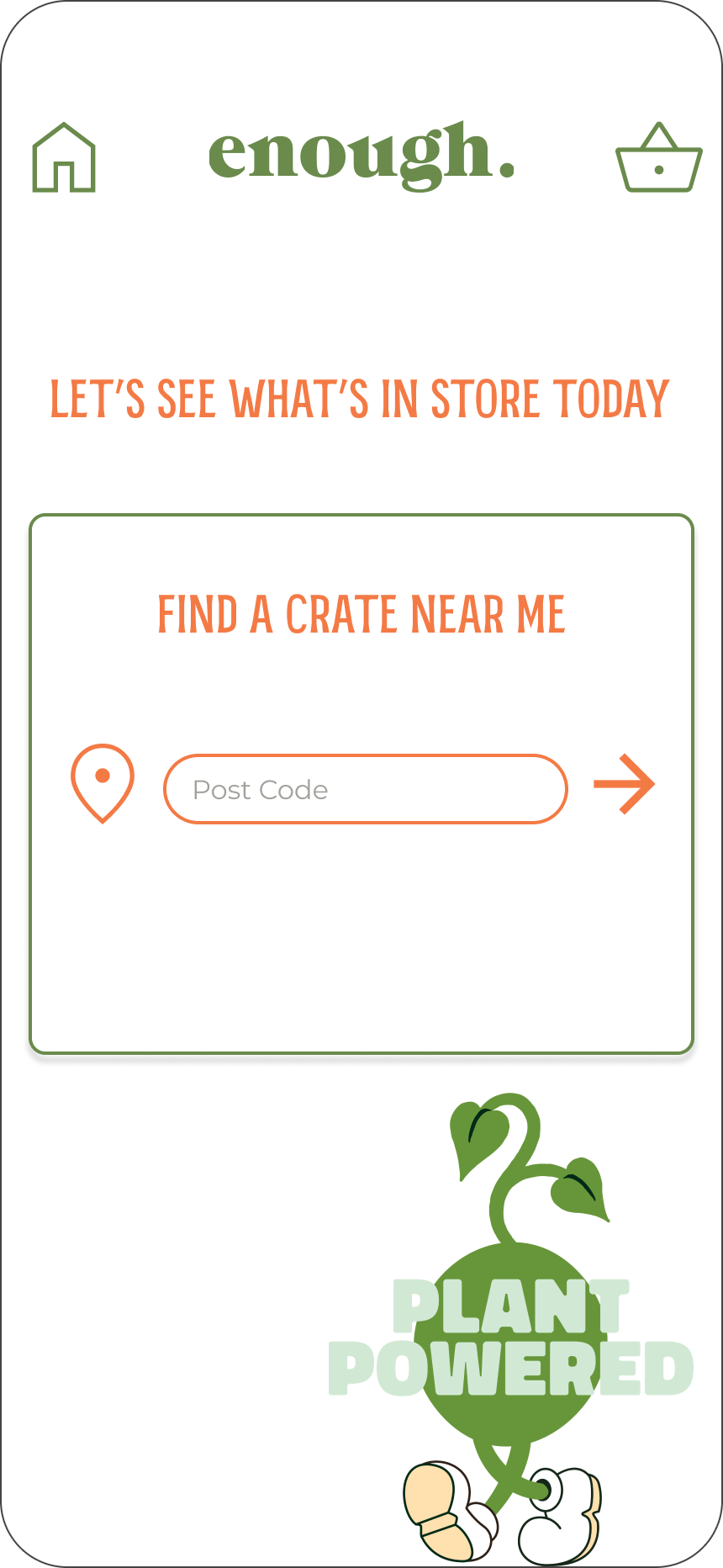
They select a crate that is near them.
NAME: Maria
AGE : 42
LOCATION
East London Single mum with a son.
OCCUPATION
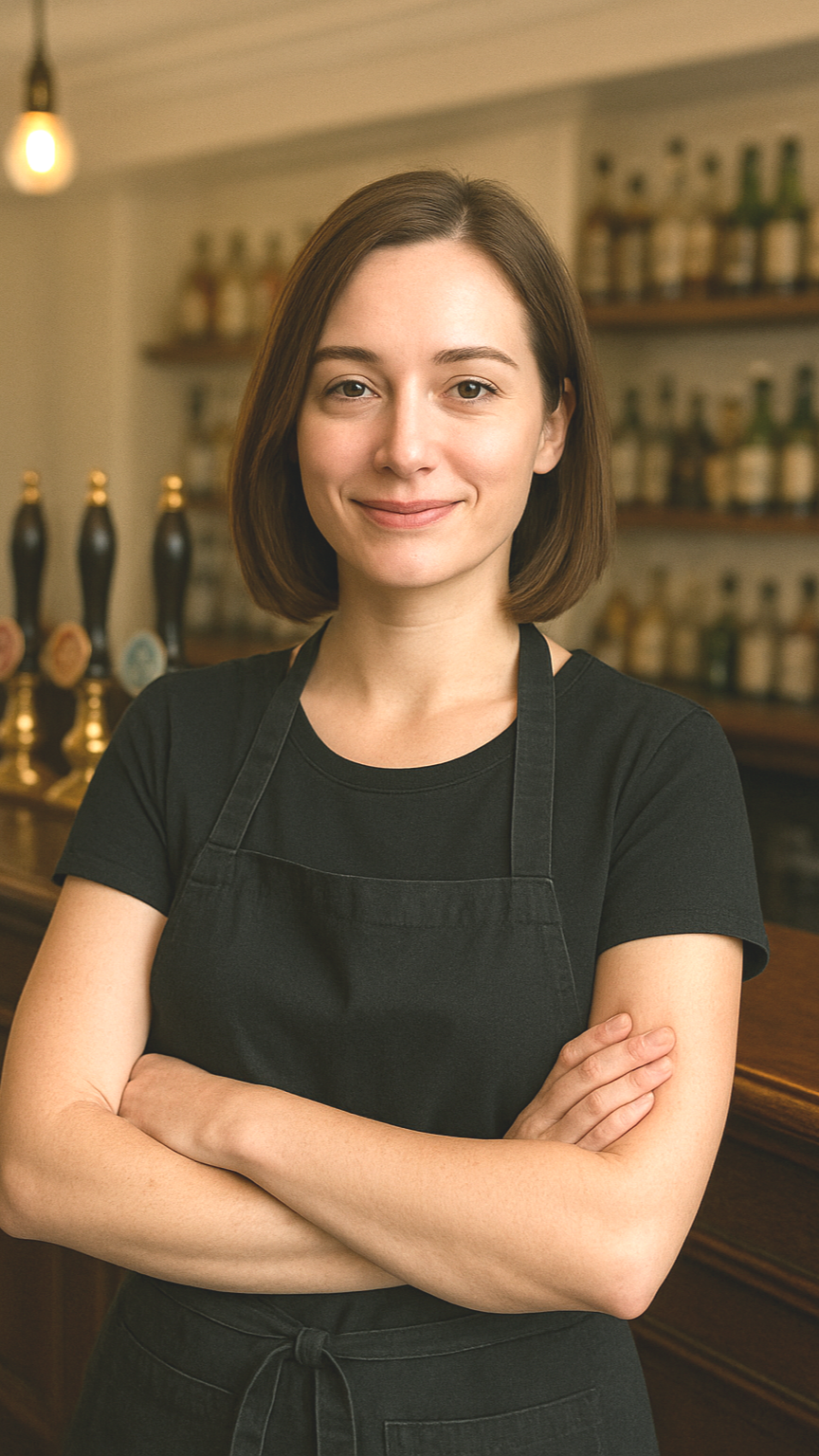
Works part time at her local pub and receives universal credit.
BEHAVIOURS
Has been thinking about how to make ends meet.
Works very hard and long hours.
Juggles single parenting with a job.

Problem Statement
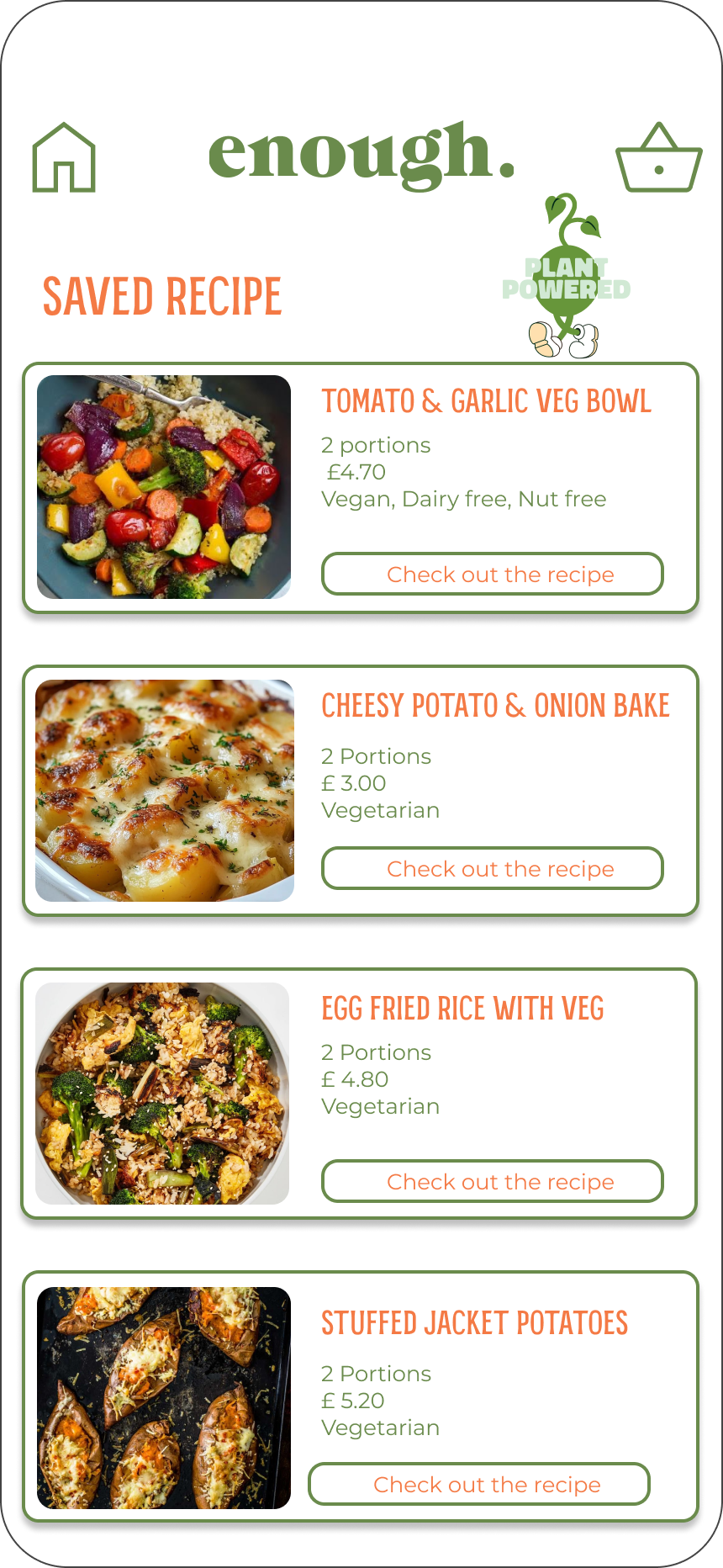
Saved Recipes Flow

A low-income single mum needs an easy way to manage her budget and access nutritious meals, because a busy schedule leaves little time for planning often forcing her to choose the less healthy options.
Hypotheses
If we create a platform for individuals with limited time or resources, then they will feel less stressed and more confident about healthy eating and budgeting. we will measure by regular app use and feedback on reduced food-related stress.

User Flow
Saved recipes
Saved shopping lists
The option to purchase through the app
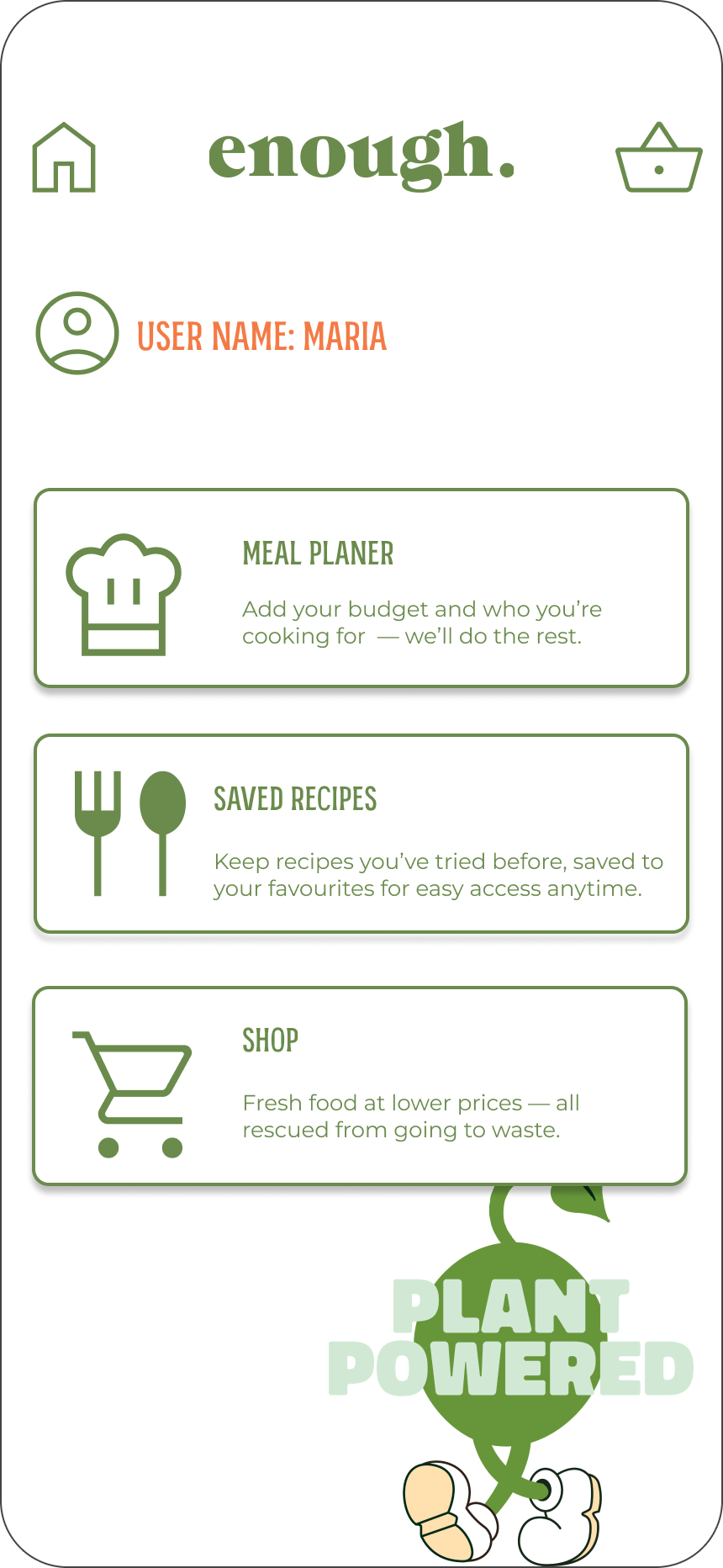
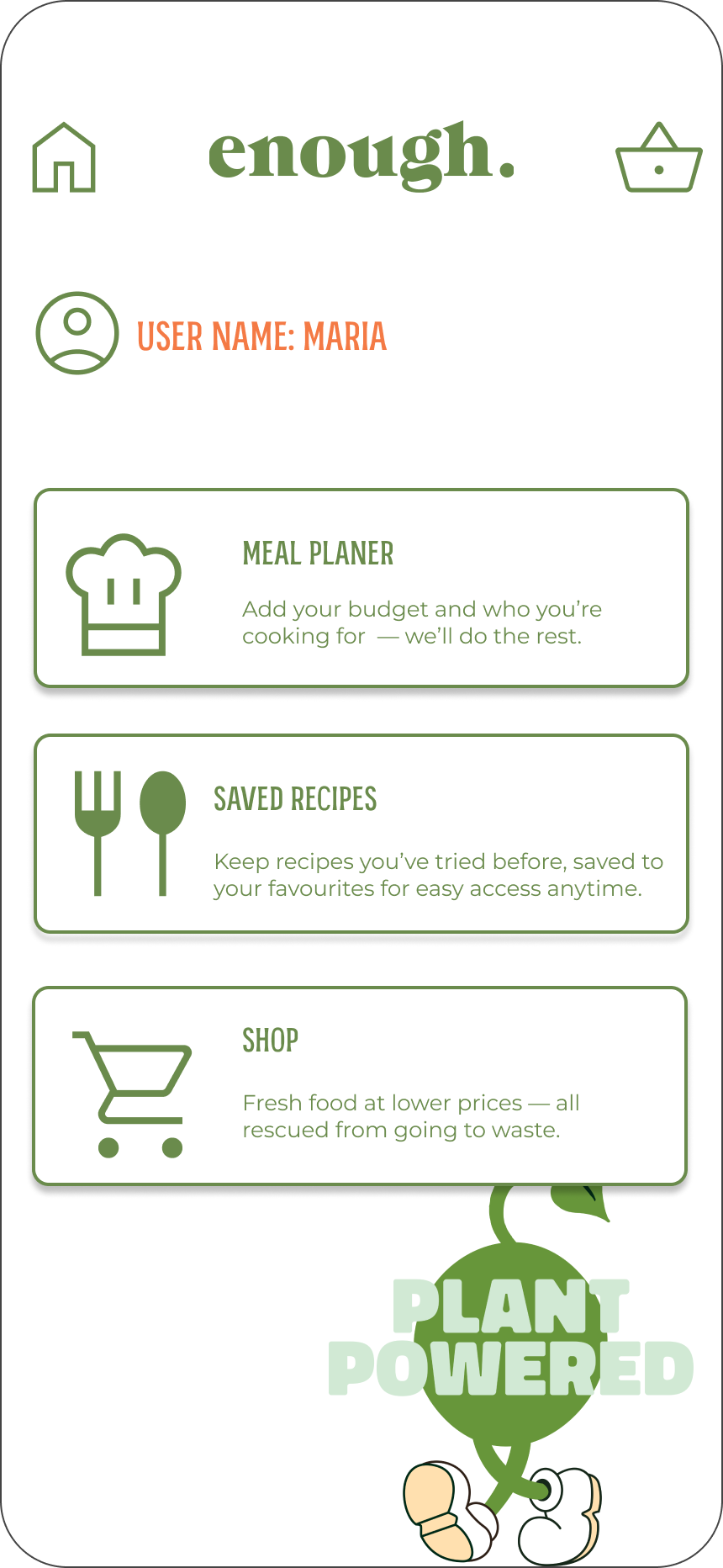
A choice between planning with a budget or simply browsing available items.
Deliver
Prototype & High Fidelity
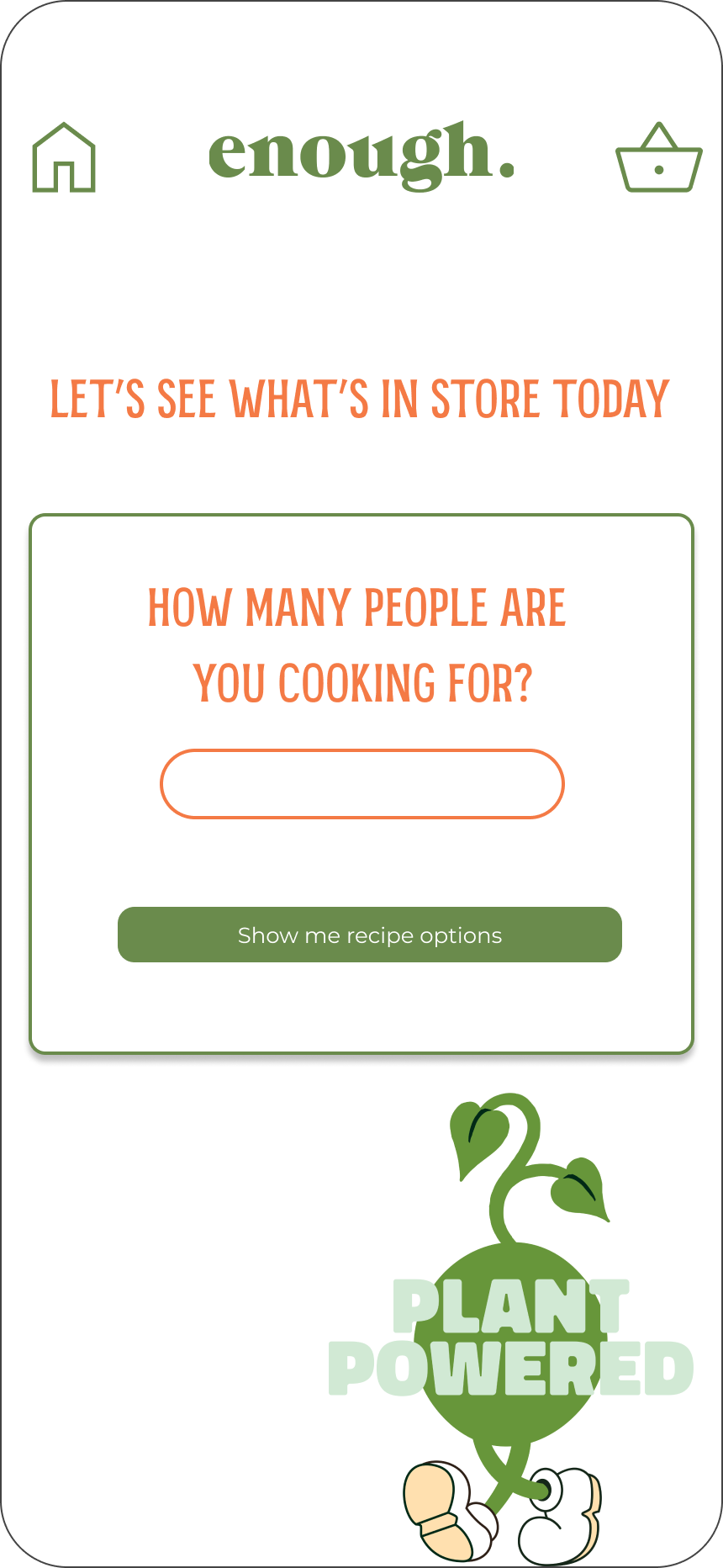
They then enter how many people will be eating
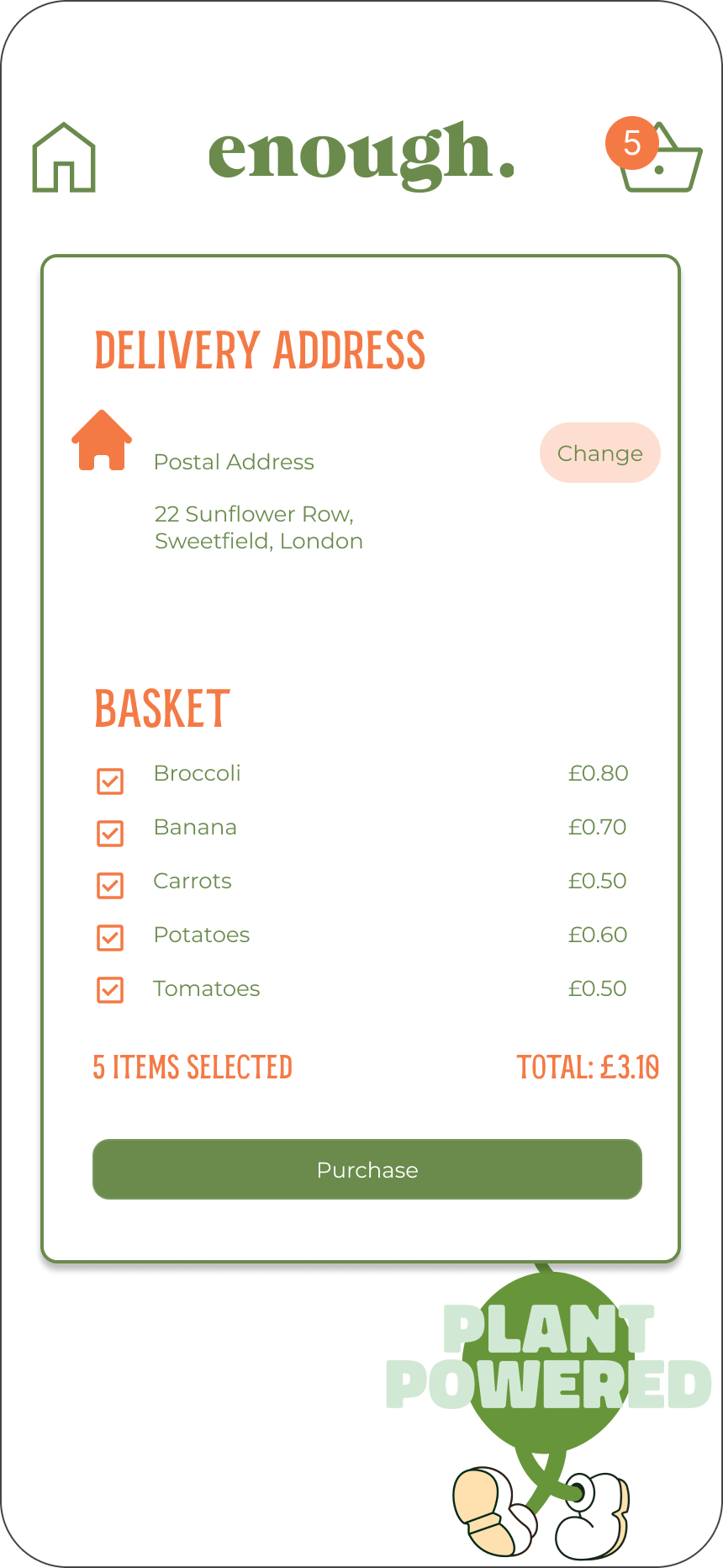
The ingredient list appears. The user can deselect items they already have at home and purchase only what they need.

Meal Planner Flow

The user enters their location.
PAIN POINTS
Hard to afford and access healthy meals
Limited time and knowledge about nutrition
Chooses cheap, filling food over nutritious options
Fresh fruit and vegetables are expensive.
Food banks often provide unhealthy or limited options
HOW CAN WE HELP?
Provide easy access to affordable, healthy food
Save time spent searching for nutritious options
Make choosing healthy food effortless
Offer support and a sense of community
Develop
I sketched six different ideas to help Maria, a single mum who struggles with money, time, and healthy eating. I took two sketches & developed it further.
BUDGET PLANNER
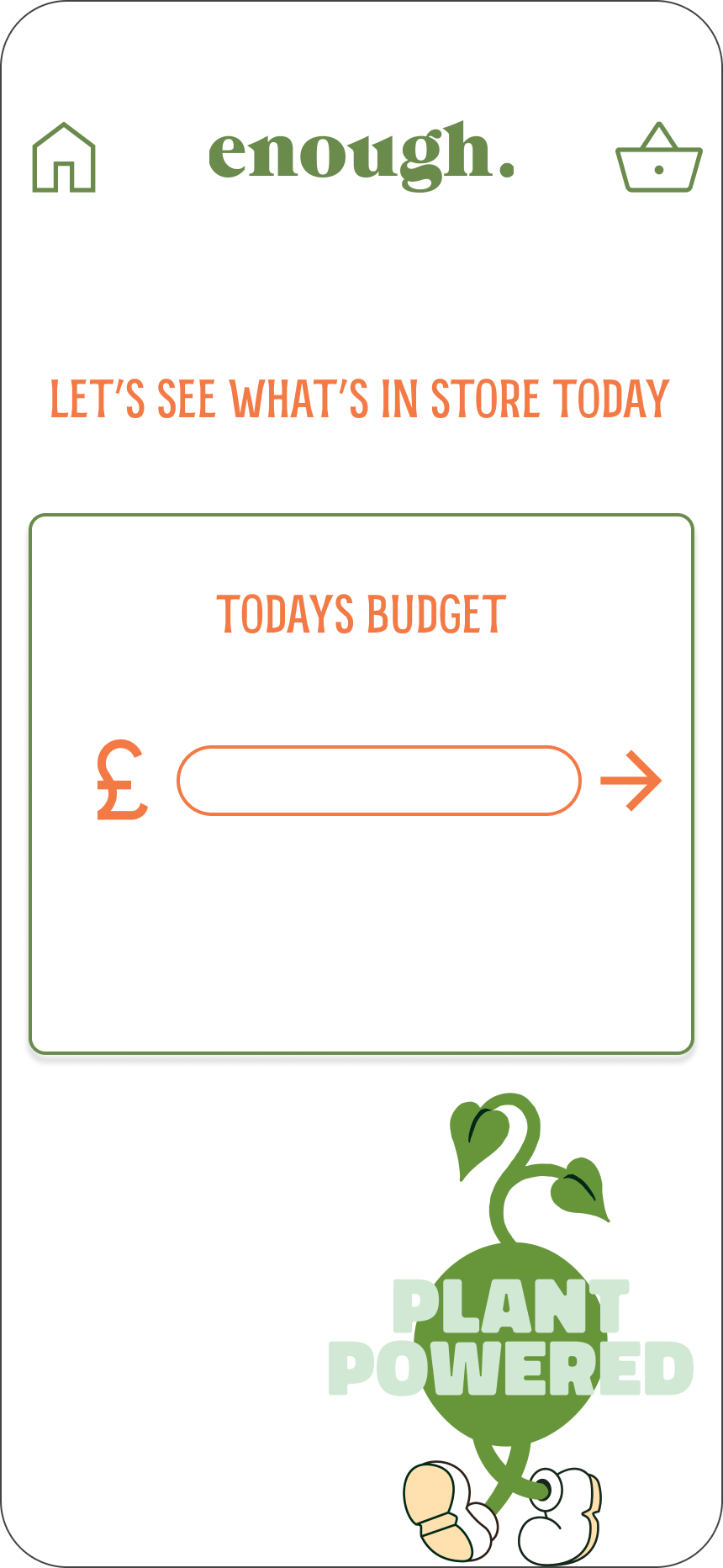
Maria can put in how much money she has, and the app shows her what food she can buy and how to make it last.
RECIPE SUGGESTIONS
Based on what’s available, Maria gets simple recipes that are quick, healthy, and affordable.

The user enters how much money they’d like to spend
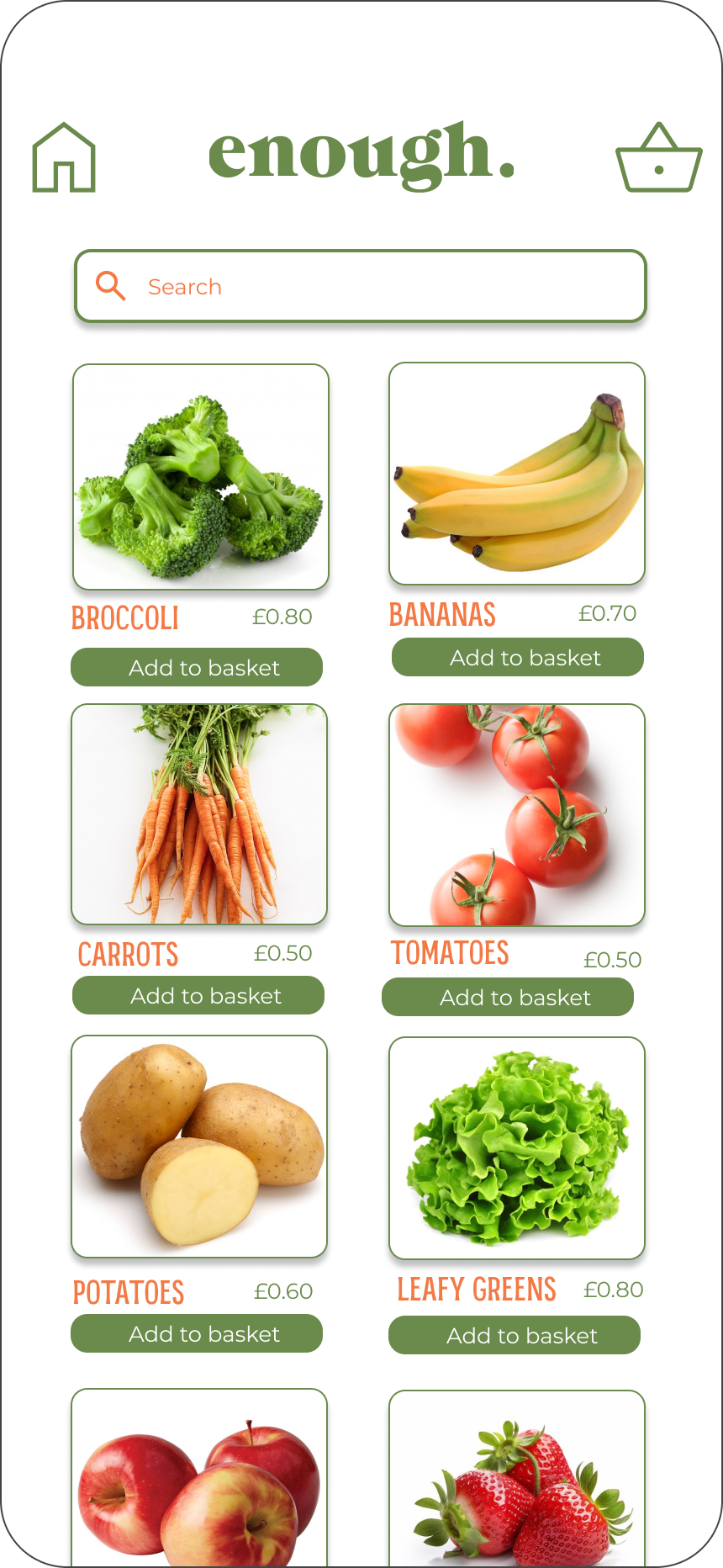
Browse Surplus Food
They browse surplus food available at their local store.
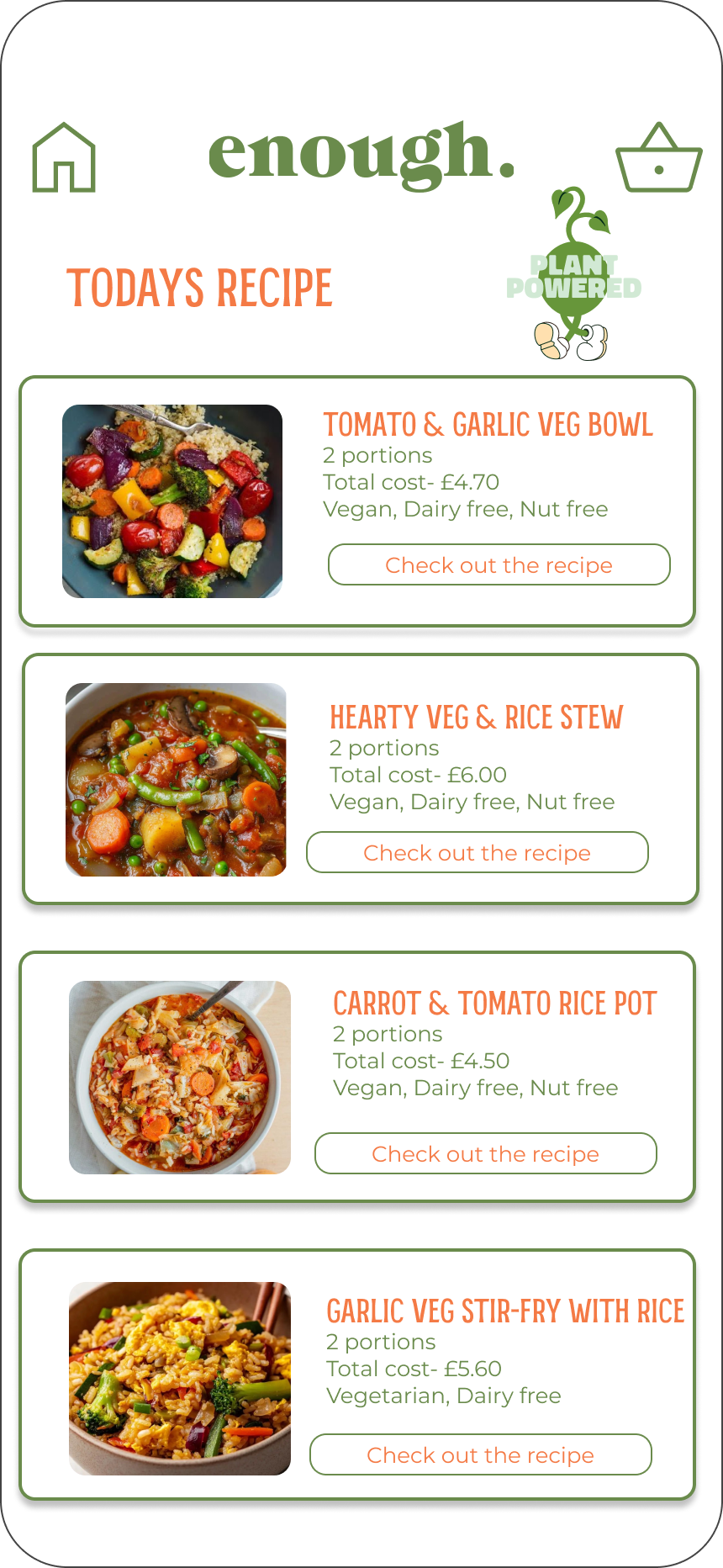
Meal Suggestions
Based on this information, the platform generates a list of nutritious meals within the budget.
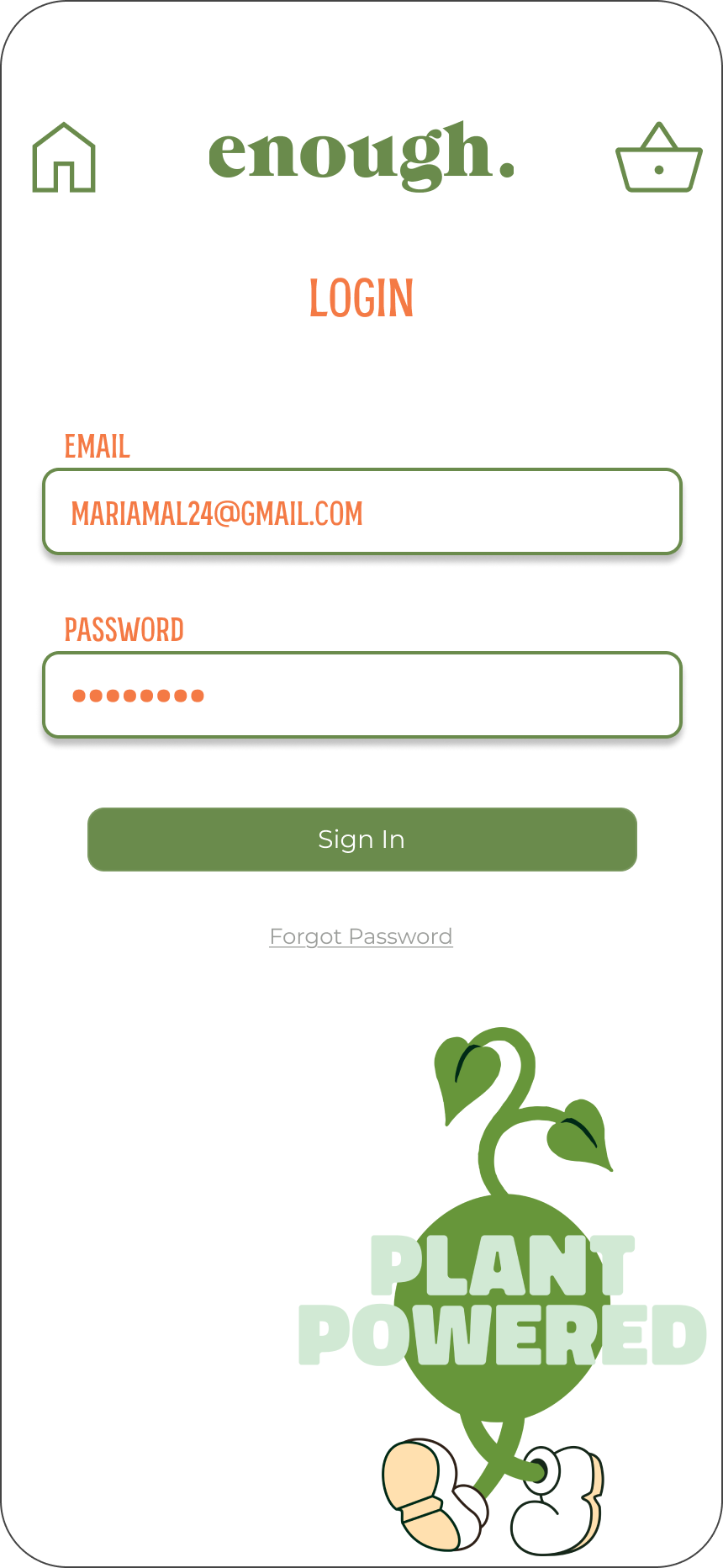
After logging in, the user lands on the home page, where they have three options to choose from.

Ideation
Users place strong emphasis on nutritional value
3
Define
Persona
GOALS & MOTIVATIONS
Spend more quality time with her son without constantly worrying about work, money, or food
Feel confident she can provide healthy meals for herself and her son
Be more organised: plan meals and stick to a budget
What I’d Do Differently
Home Delivery
The user has the choice between “click & collect” or “home delivery”

Next Project
The user can save recipes they like, building a personal favourites list for quick access later.
The project supports low-income urban families with surplus food via a shipping-container store and a digital app offering nutrition education, shopping, and recipes aiming to improve health, help others, and ensure commercial viability.
The Solution
Provide users with a simple budgeting plan to help them manage their food spending effectively.
Include a location-based crate finder so users can easily discover food crates available near them.
Supply nutritious recipes that fit within the user’s budget.